
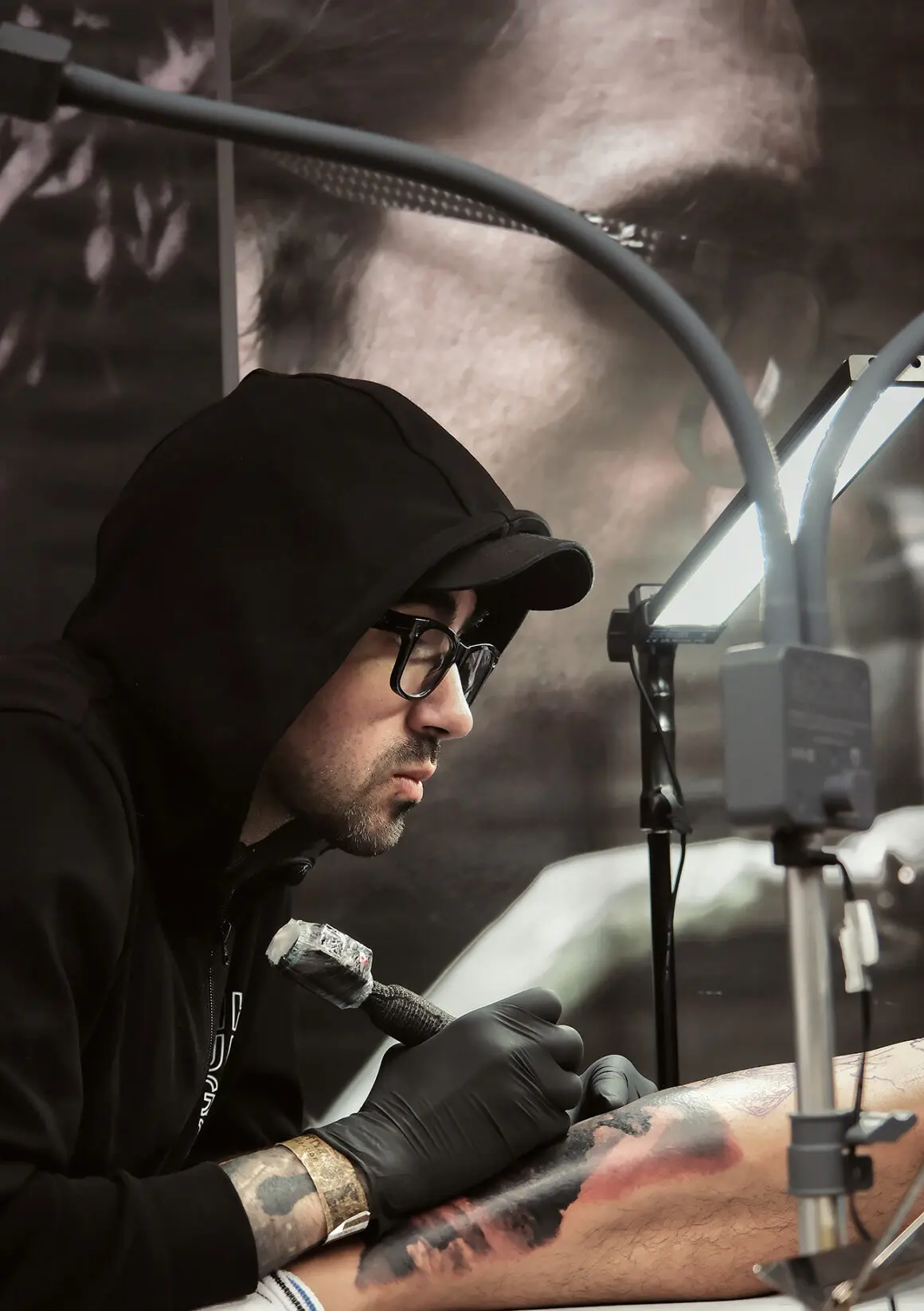
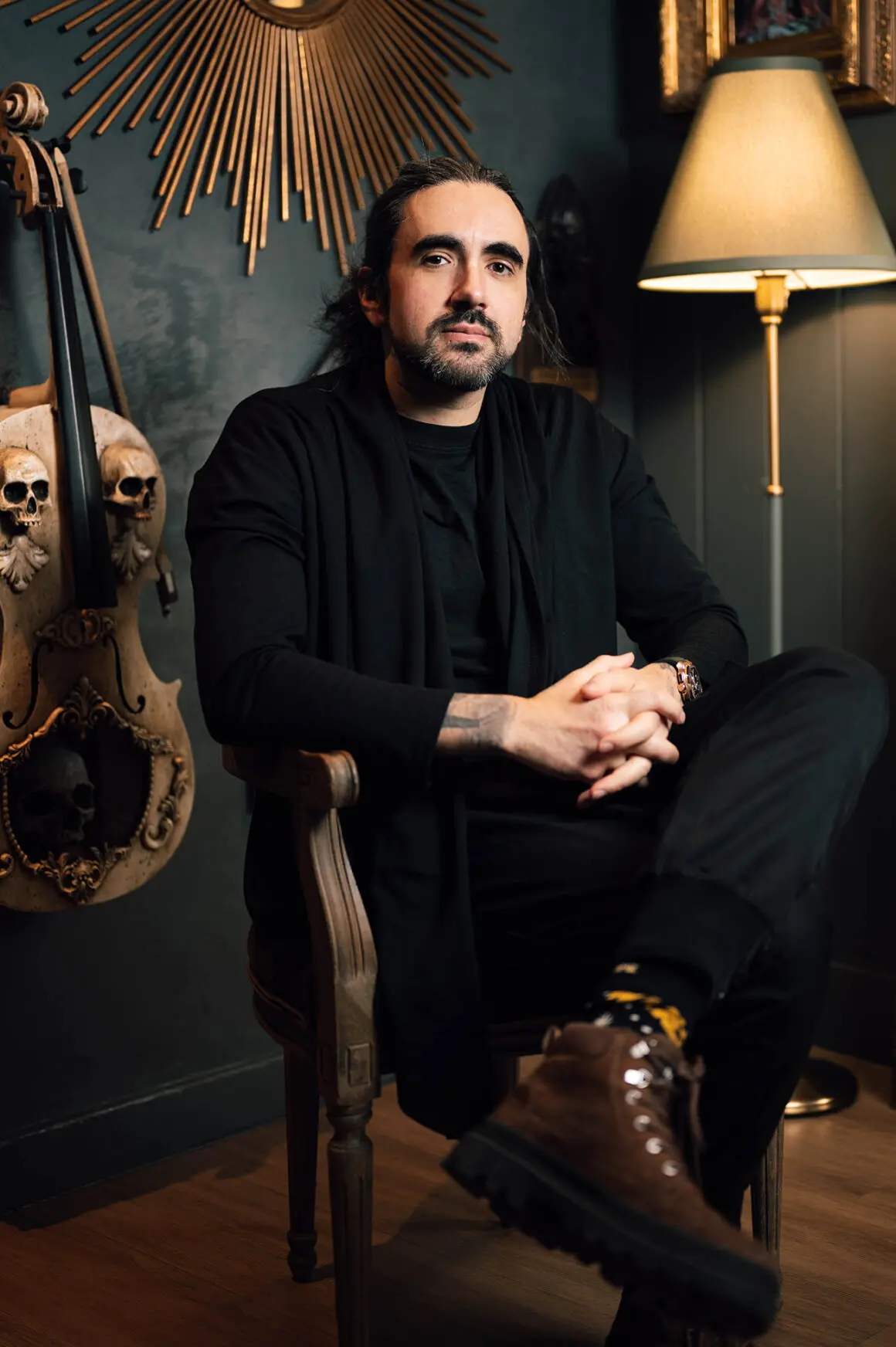
Born in the Auvergne region of France and shaped by a decade spent in London, Thomas has developed a deeply introspective approach to Black and Grey Realism. Now based in Clermont-Ferrand, he works in his private studio Noire Ink and his tattoos move beyond technical precision to become intimate narratives charged with emotion, atmosphere, and melancholy. In this interview, we speak with Thomas about his artistic roots, his relationship with Realism, and the philosophical evolution of his practice.
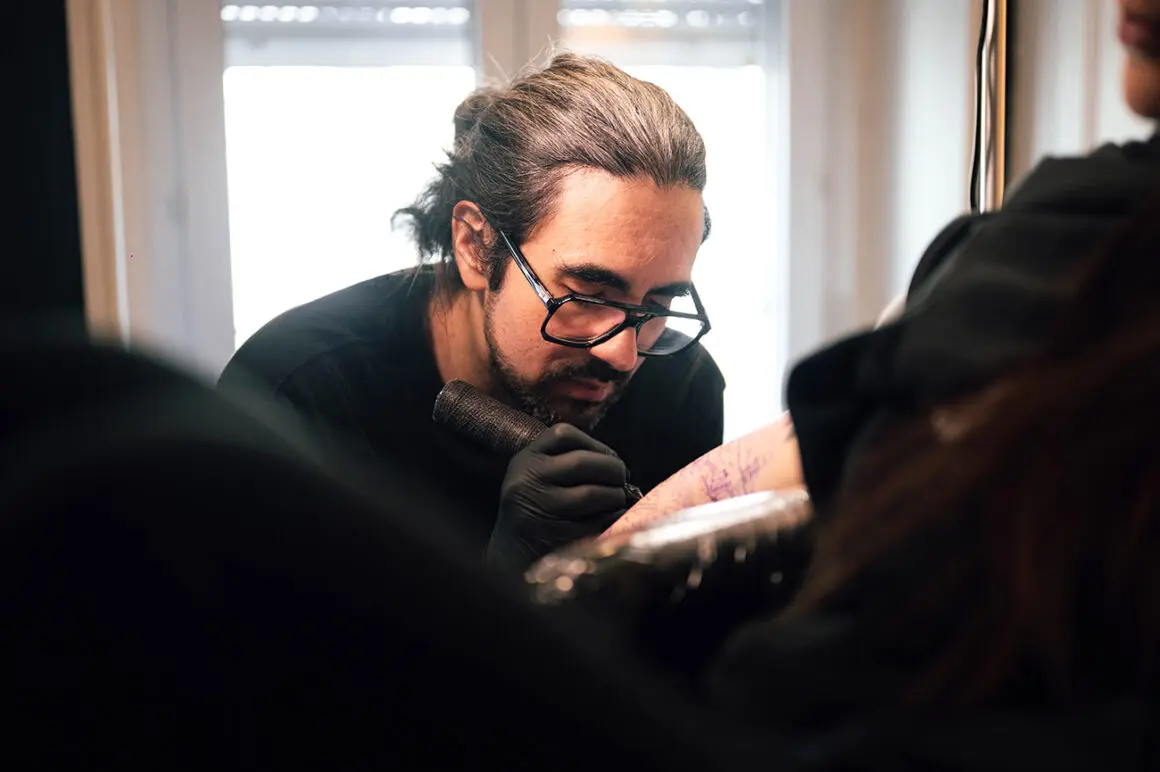
Hi Thomas, where are you from and where do you live now?
I was born in France, in a region called Auvergne. After spending ten years living in London, in the UK, I returned to my birth region in 2014. Coming back felt natural, almost necessary, as if a circle needed to be closed.
I work in Clermont-Ferrand, the main city of Auvergne, in my private studio called Noire Ink. It’s a quiet, intimate space that I share with a few close friends, each of us coming from different artistic backgrounds and styles. The studio reflects my need for focus, depth, and meaningful exchanges.
Let’s start talking about the choice of Black and Grey Realism to express yourself.
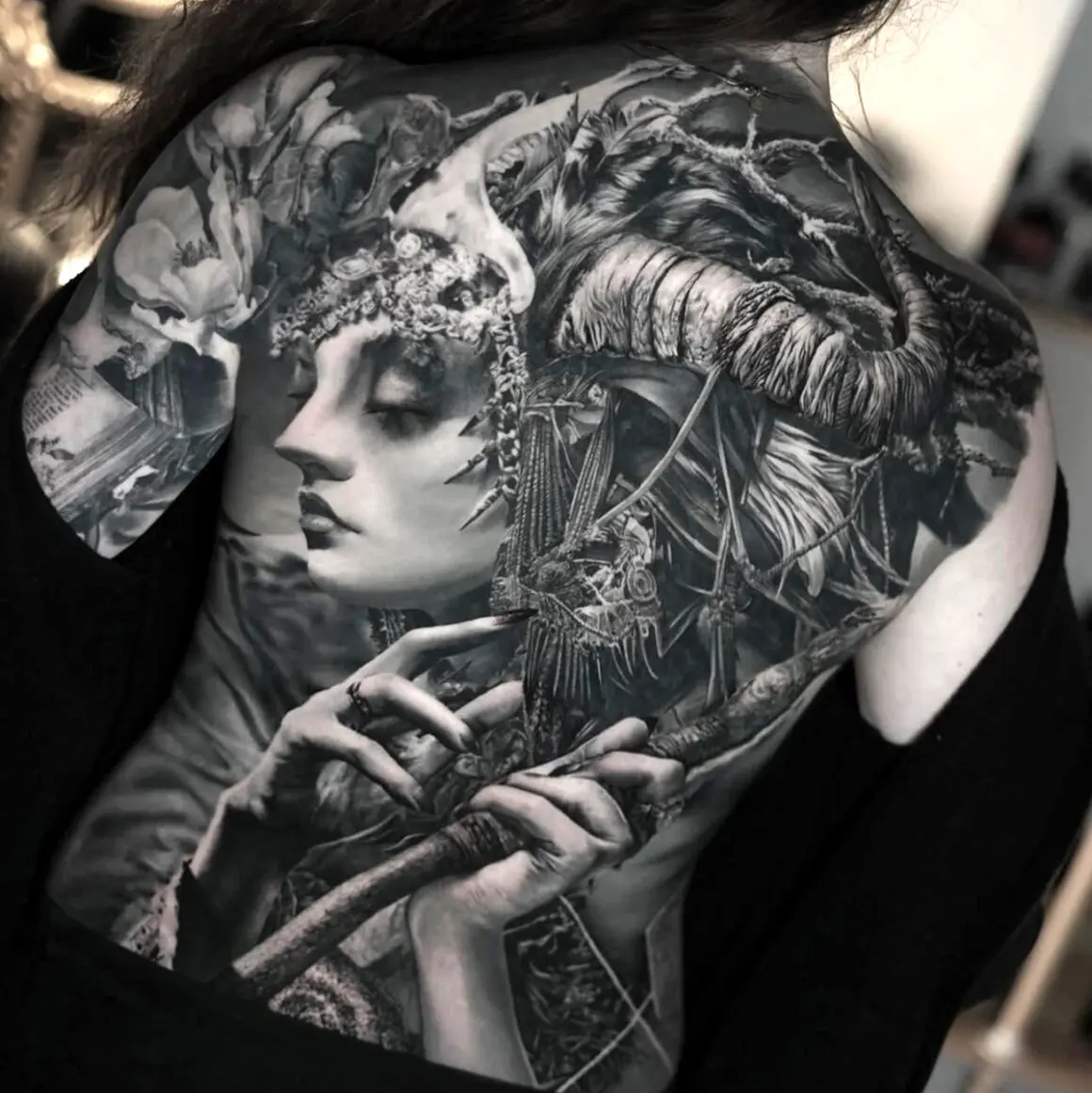
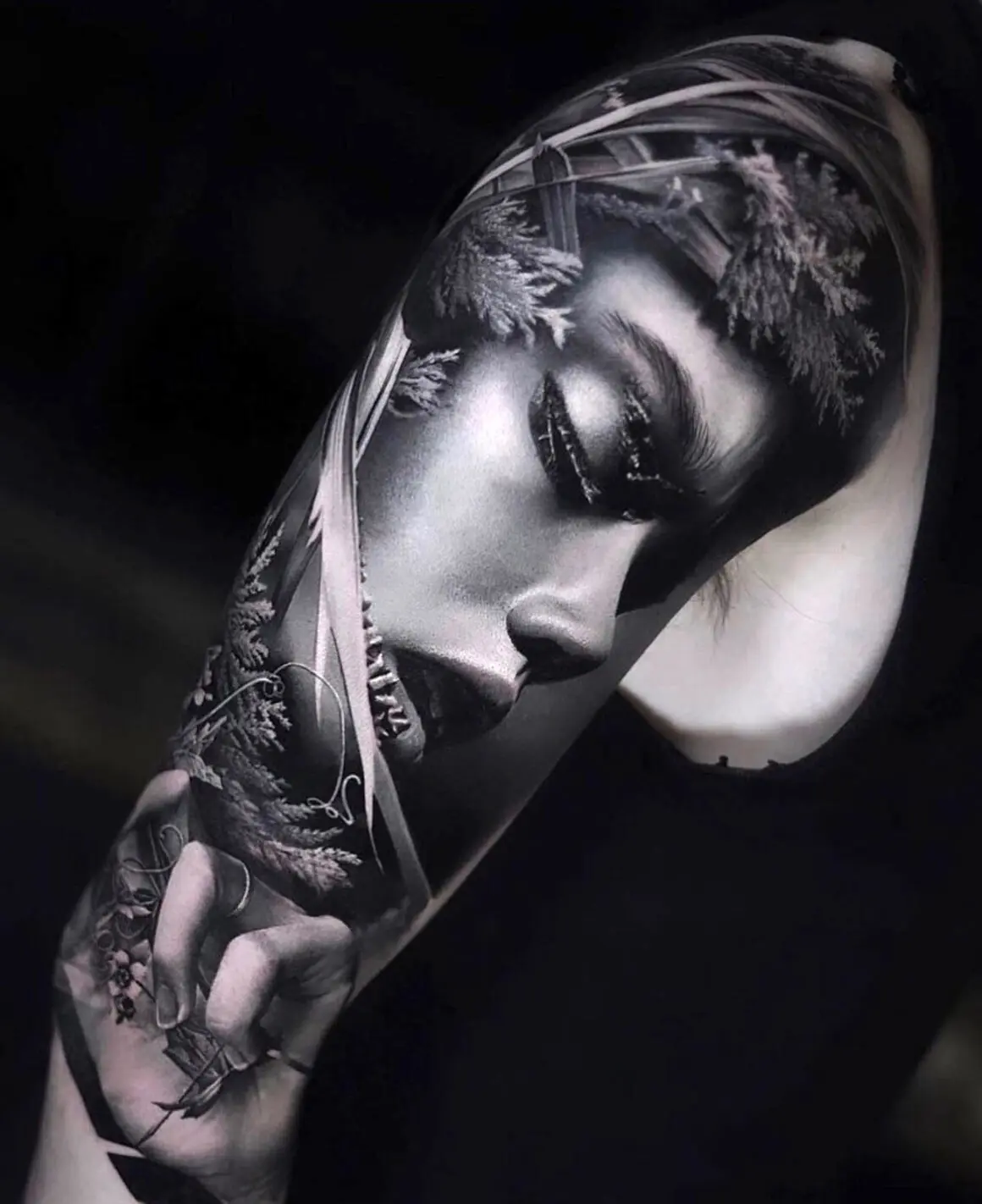
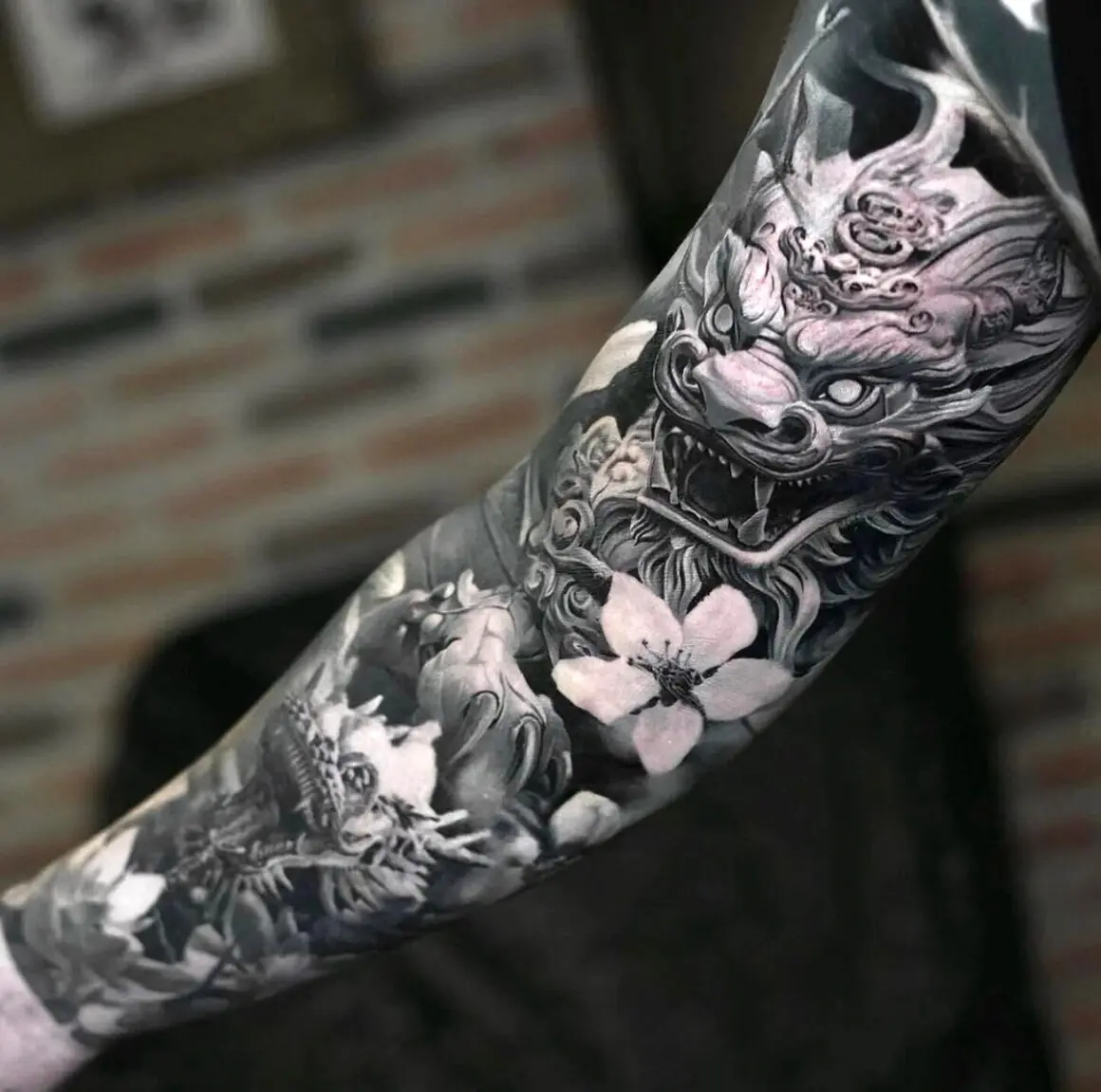
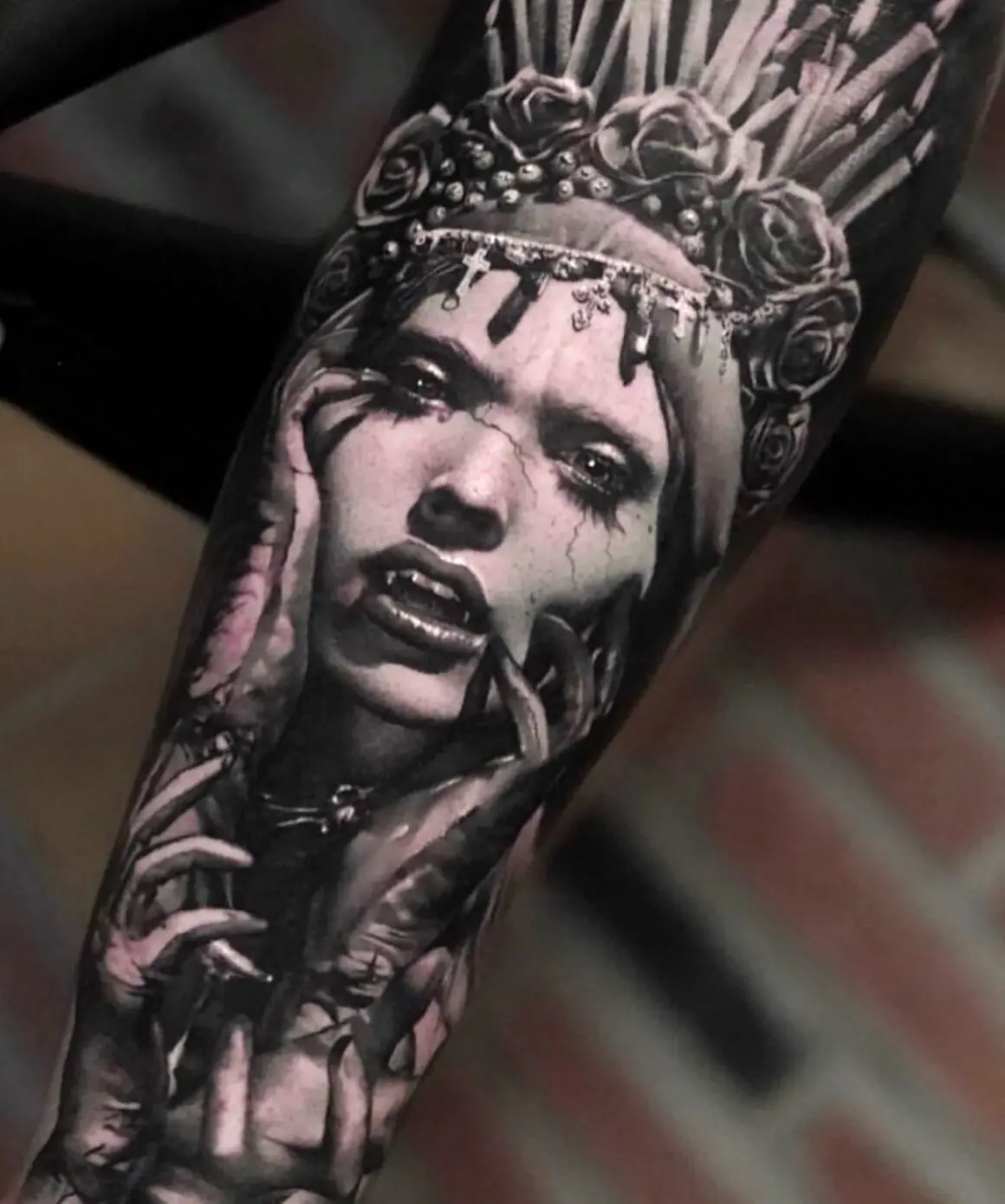
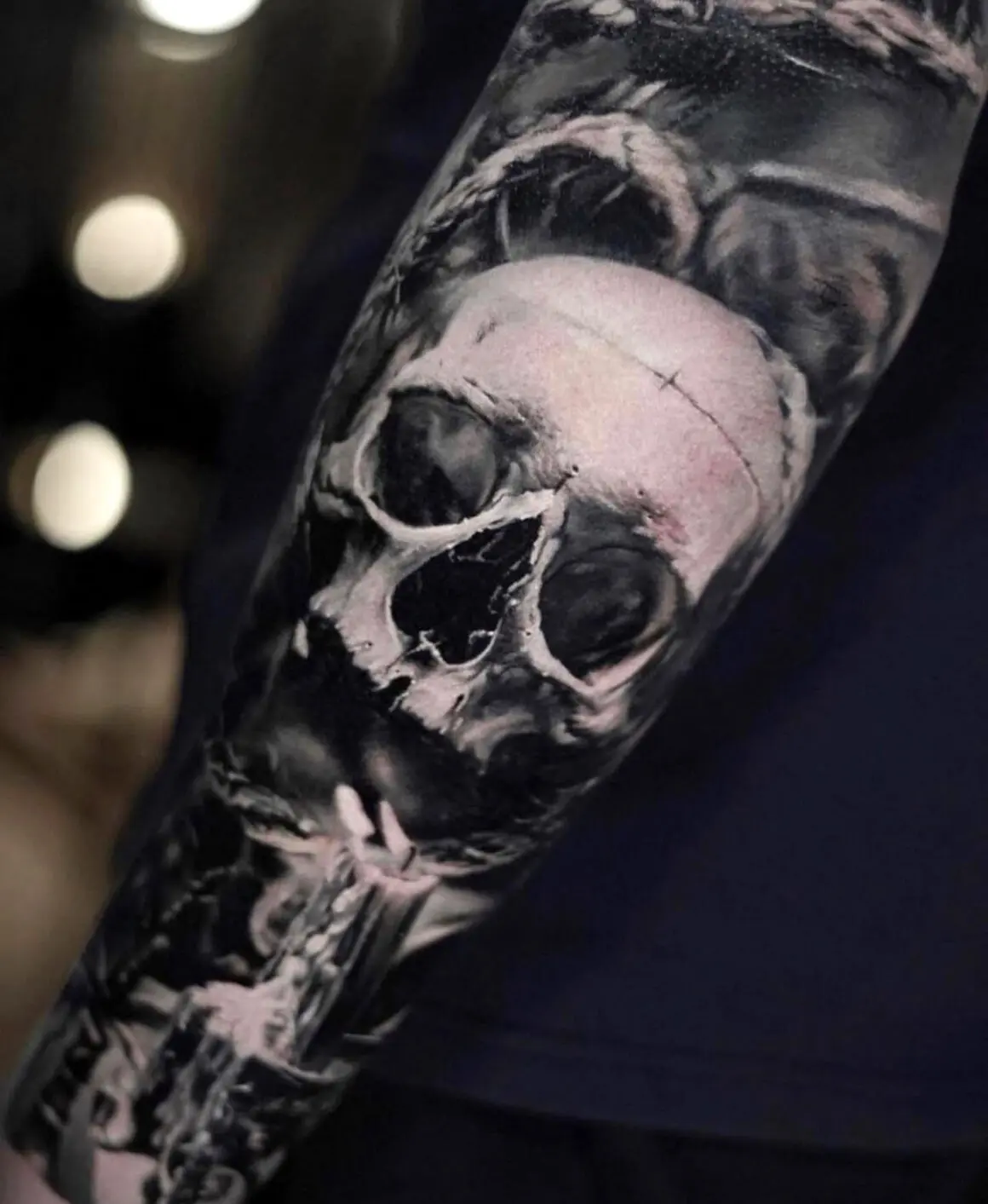
I didn’t consciously choose Black and Grey; it chose me. It naturally embedded itself in my work. Early on, I began experimenting with a specific approach to Black and Grey that, over time, helped reshape the use of opaque greys in Realism. For me, Realism isn’t just a technical exercise, it’s driven by emotion, narrative, and atmosphere.
Each piece tells a story, and that sense of storytelling is what fuels both my work and my personal journey as an artist.
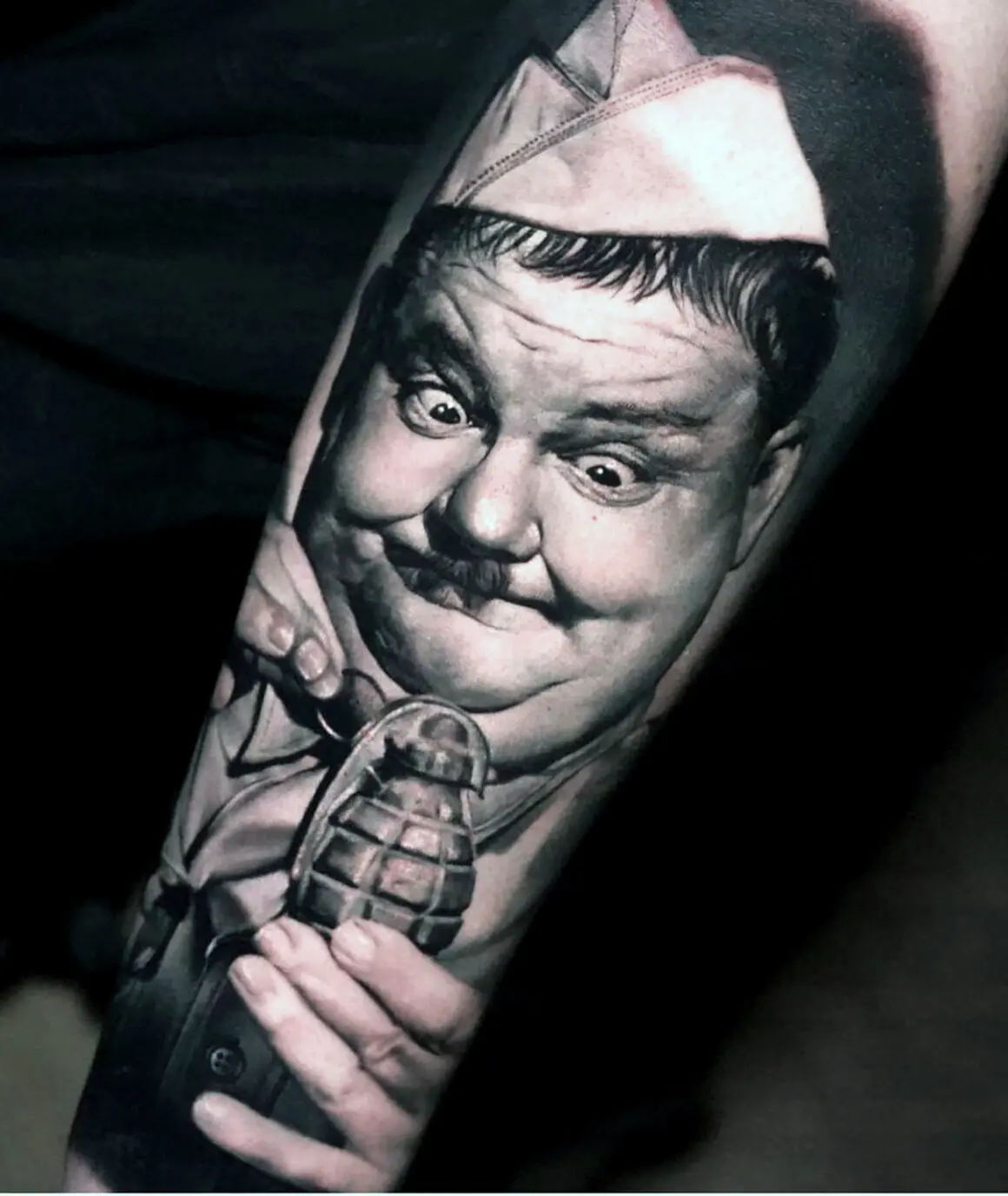
You do different subjects in your tattoos and you can translate all the ideas of your client in Black and Grey, is it right?
The more I grow as an artist, the less attached I become to specific subjects. What matters most is not the theme itself, but whether I can propose something that truly works both for the client and for my own visual language. My role is to translate an idea into something meaningful, balanced, and timeless, rather than simply executing a concept.
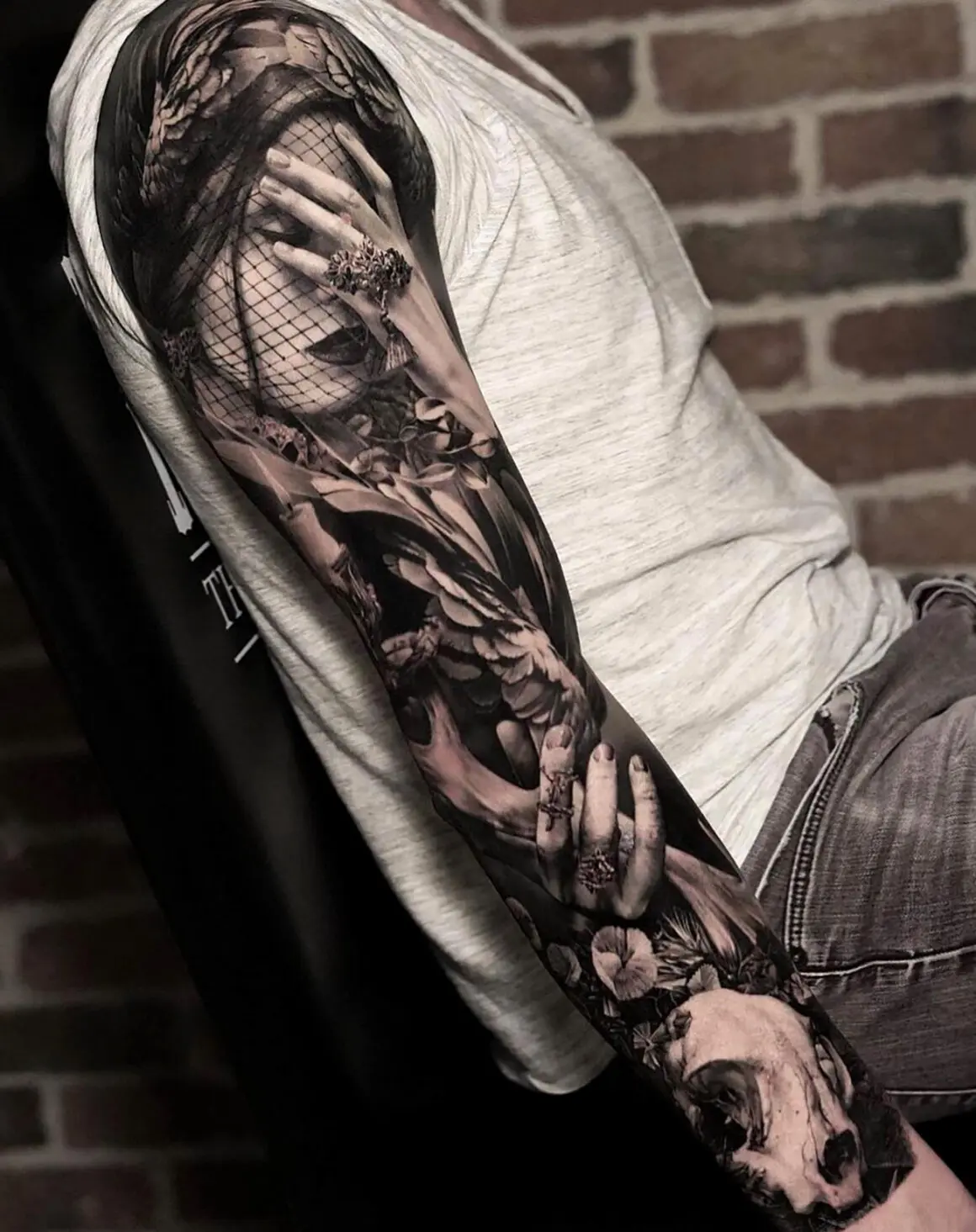
Are there recurring elements in your work?
If there is something recurrent in my work, it’s emotion. Most of my pieces carry a sense of melancholy like a poem written on skin. Realism, to me, is a form of storytelling. It’s not only about technique or precision; it’s about openness, vulnerability, and allowing the piece to speak honestly.
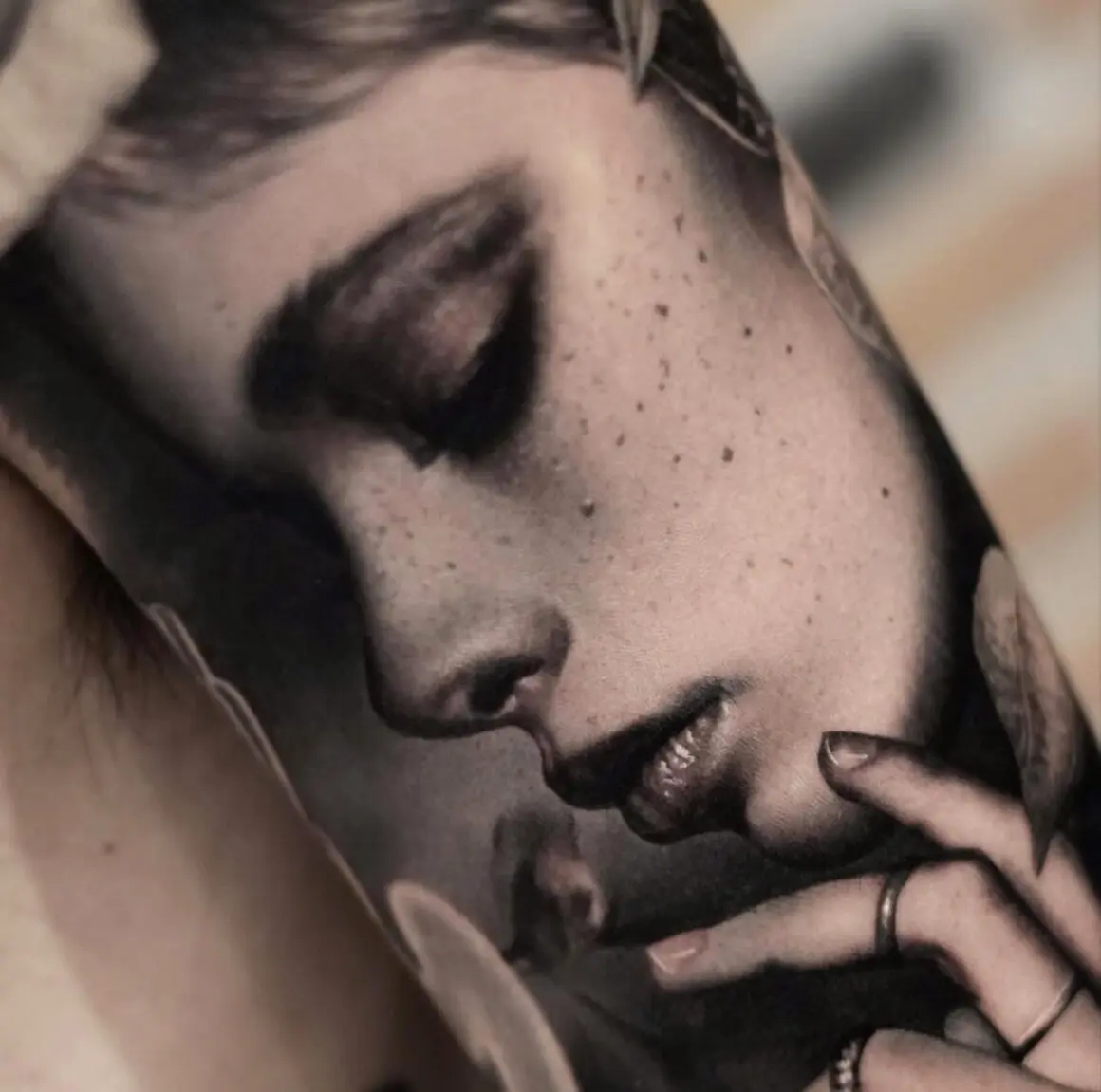
Can you tell us something about your artistic journey?
My artistic journey began very early in life. I grew up in a creative household, my mother is a painter and my father a musician so art was always present, almost organic.
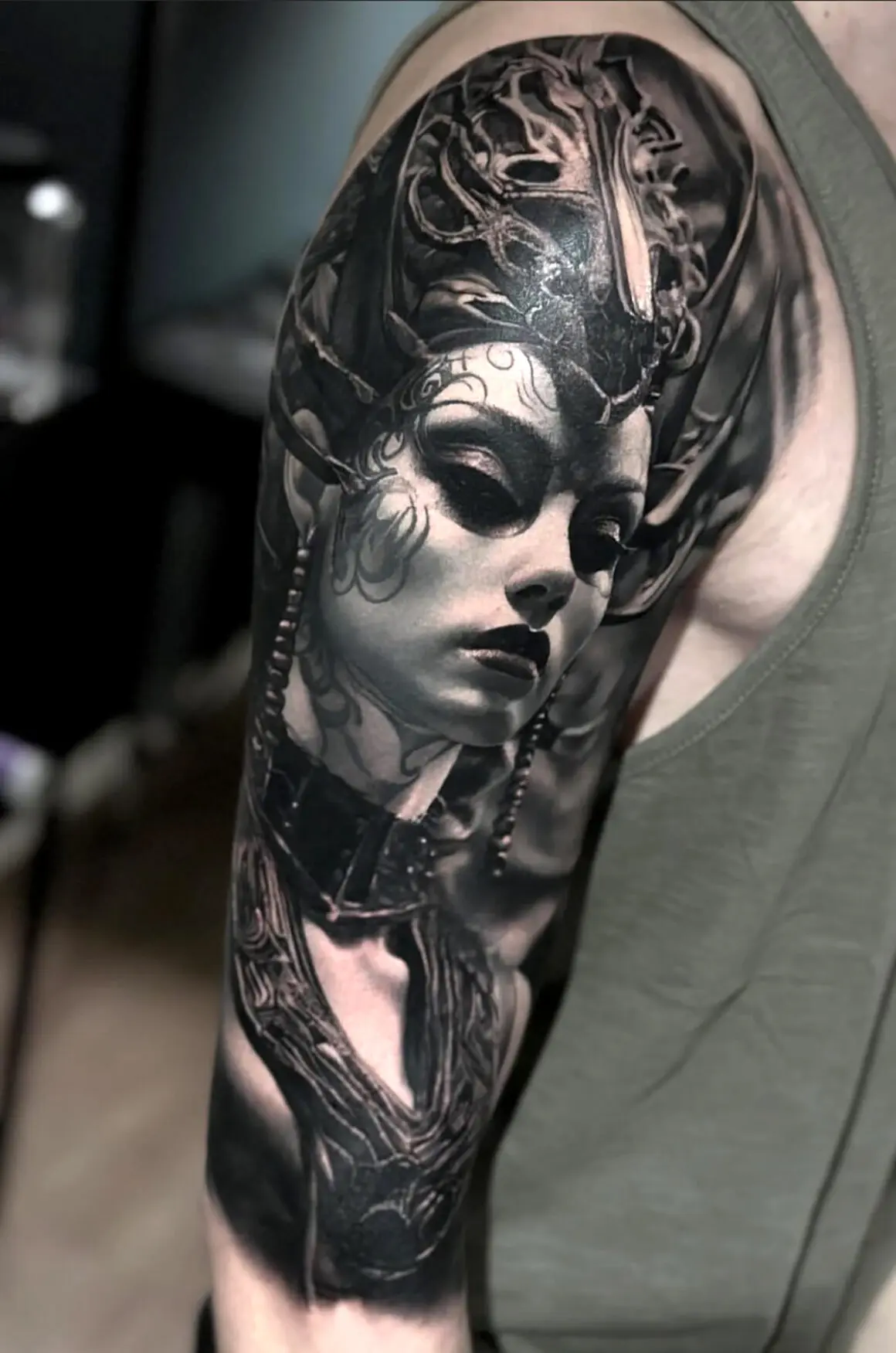
I naturally followed both paths, which eventually led me to London, where I studied music for six years. At the same time, I was constantly drawing and painting, deeply inspired by places like the National Portrait Gallery. I was fascinated by historical artworks, by the weight of time they carried, by the silent dialogue between the subject and the viewer.
Tattooing was never a planned destination.
I didn’t aspire to become a tattoo artist, it happened naturally, driven purely by passion. I picked up a tattoo machine fifteen years ago and never put it down. Since then, I’ve let intuition and life guide me, going wherever the wind takes me.
How do you approach your clients? Do they come with a specific idea, or do you develop the concept together?
I usually start with a general theme. From there, I propose at least three different conceptual directions, whether the piece is large or small. We then discuss, combine ideas, refine or sometimes discard everything and start again from scratch. The process is collaborative, fluid, and intuitive. It’s important to me that the final piece feels right, not forced.
Are you experimenting with new techniques or stylistic directions?
After fifteen years of tattooing, I can say that the most significant evolution in my work is happening right now, technically, artistically, but also philosophically. My understanding of what it means to be a tattoo artist and what this journey represents has deepened profoundly. That shift has reignited my passion, giving new meaning to both the craft and the path I’m on.
Would you like to add anything for our readers?
Whether you are an artist or a tattoo collector, what matters most to me is creating emotion, pleasure, and motivation through what I do. We live in a world that can be mentally demanding and overwhelming. If my tattoos can offer even a brief escape for my clients during a session or for my audience while viewing them, then I feel I’ve fulfilled my purpose.
The post Thomas Carli, Black and Grey Realism driven by emotion appeared first on Tattoo Life.
Leave a Reply