

Jutes returns with a new album that expands the world he started building on Sleepyhead. It’s raw, emotional, and unfiltered, a body of work shaped by honesty rather than expectation.

A Natural Progression From Sleepyhead
This album didn’t emerge from a blank slate. It grew directly from the sonic breakthrough Jutes found while making Sleepyhead, a record that marked a pivotal turning point in his creative identity.
“I unlocked a sound that felt unique and authentic to me, so I wanted to continue that onto this project,” he explains.
The process stayed deliberately intimate. Instead of rooms full of writers or producers, Jutes kept the circle small: just him and producer Keith Sorrells.
“Sometimes I don’t trust my own ideas,” he says. “If I write with others, I don’t always get my thoughts all the way out. Working with Keith kept everything true to our vision.”
A Tracklist Grounded in Real Life
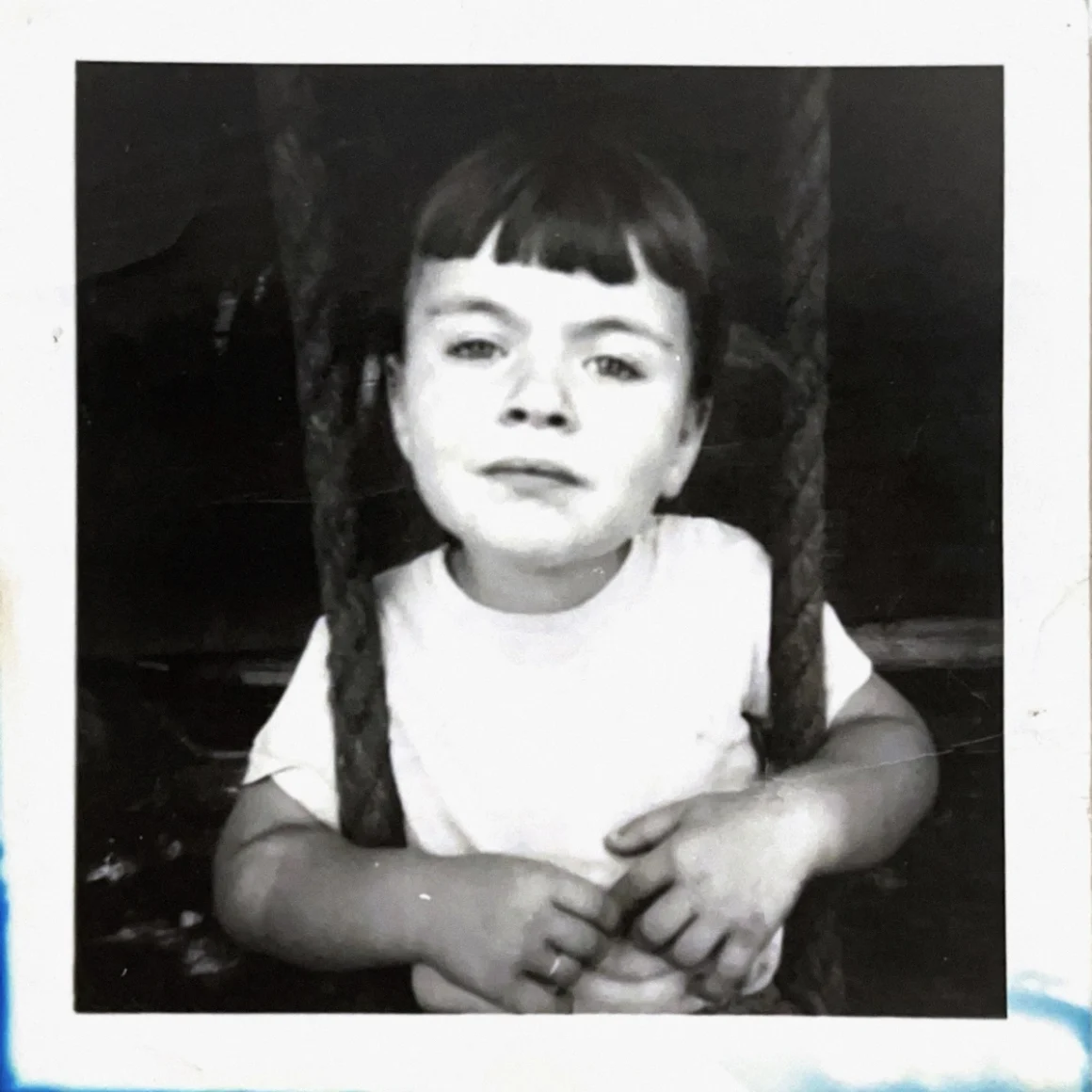
One of the standout tracks, “Left on Dilworth,” comes from one of the darkest and most transformative periods of his early adulthood.
“It recounts my days of leaving home. That’s when things got dark in my life,” he shares. “Those years were crucial in my growth as a person but very difficult.”
A Creative Partnership With Real Chemistry
Sorrells became the collaborator who helped bring the full vision to life.
“We did everything together and built this world together,” Jutes says. Their partnership gave the album its consistency, creating a cohesive sound and atmosphere that feels lived in rather than manufactured.
A Tour That’s Intense, Honest, and Unexpectedly Hilarious

On tour, Jutes pushes himself to the limit every night.
“We play over 20 songs in this set and it’s painful and difficult to get through,” he admits. “But that’s part of the experience.”
Fans watch him move between emotional extremes: one moment belting with tears in his eyes, the next shouting the now-iconic line “treat me like a slut.”
“The switch between those two extremes is hilarious and awesome,” he laughs.
Testing New Music in Real Time
Jutes never knows how a new song will land until he runs it with the full band.

“At first, I might hate singing a song,” he says. “But once I figure out where it lives in my voice, I usually end up liking it.”
While major cities like Los Angeles and New York bring excitement and nostalgia, it’s the unexpected stops that have surprised him the most.
“The smaller markets bring the biggest energy usually.”
Finding His Sound by Letting Go
Jutes’ musical journey hasn’t been linear. He has experimented with nearly every genre in an attempt to find a breakthrough.

“I’ve lost myself trying to make popular music and follow trends,” he says.
Everything shifted when he stopped creating for the market and started creating for himself.
“These albums were born out of finally giving up and just making something I personally liked with no expectation of it being big.”
Ink, Identity, and the Chapters That Stick
Tattoos have been part of his evolution both personally and artistically. While they don’t directly influence the visuals of this album, they mirror his growth just as clearly.
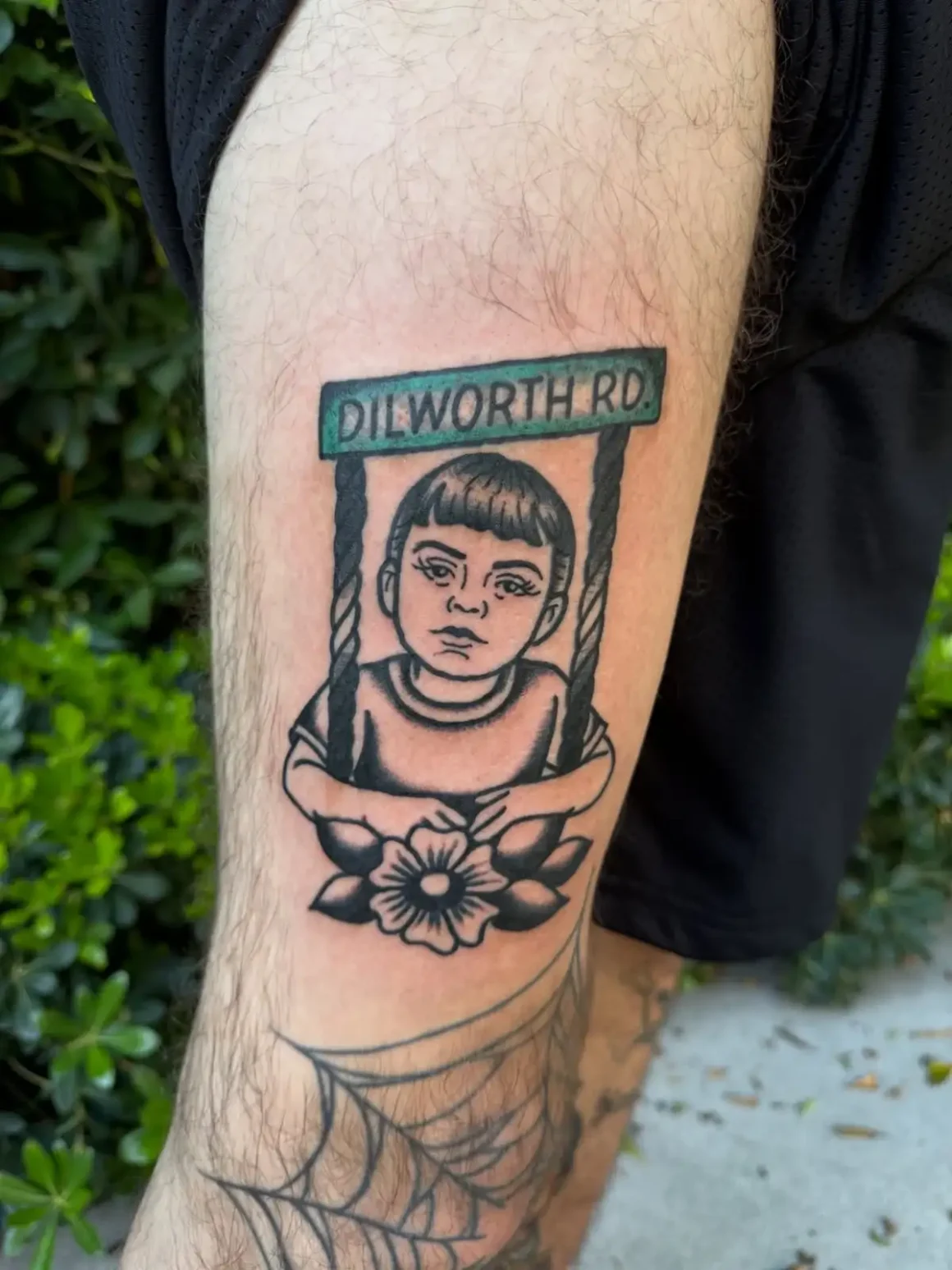
“They both show me figuring out who I am in real time,” he explains. Each phase becomes permanent, whether it’s on his skin or in his discography.
Life Offstage and What Keeps Him Grounded

When he’s not writing or touring, Jutes finds happiness in the simplest version of his life.
“Just hanging with my wife and dogs. That’s when I’m happiest.”
And while praise can come from anywhere, nothing compares to the emotional impact fans share with him.
“Hearing that my music has saved lives is the most meaningful thing you could hear.”
The Message Behind the Music
Above all, Jutes wants listeners to walk away with one message.
“Authenticity and real emotion will always find a way,” he says. “Numbers on a screen can be faked, but real people coming to shows and sharing their stories is what actually feeds your soul.”
Leave a Reply