
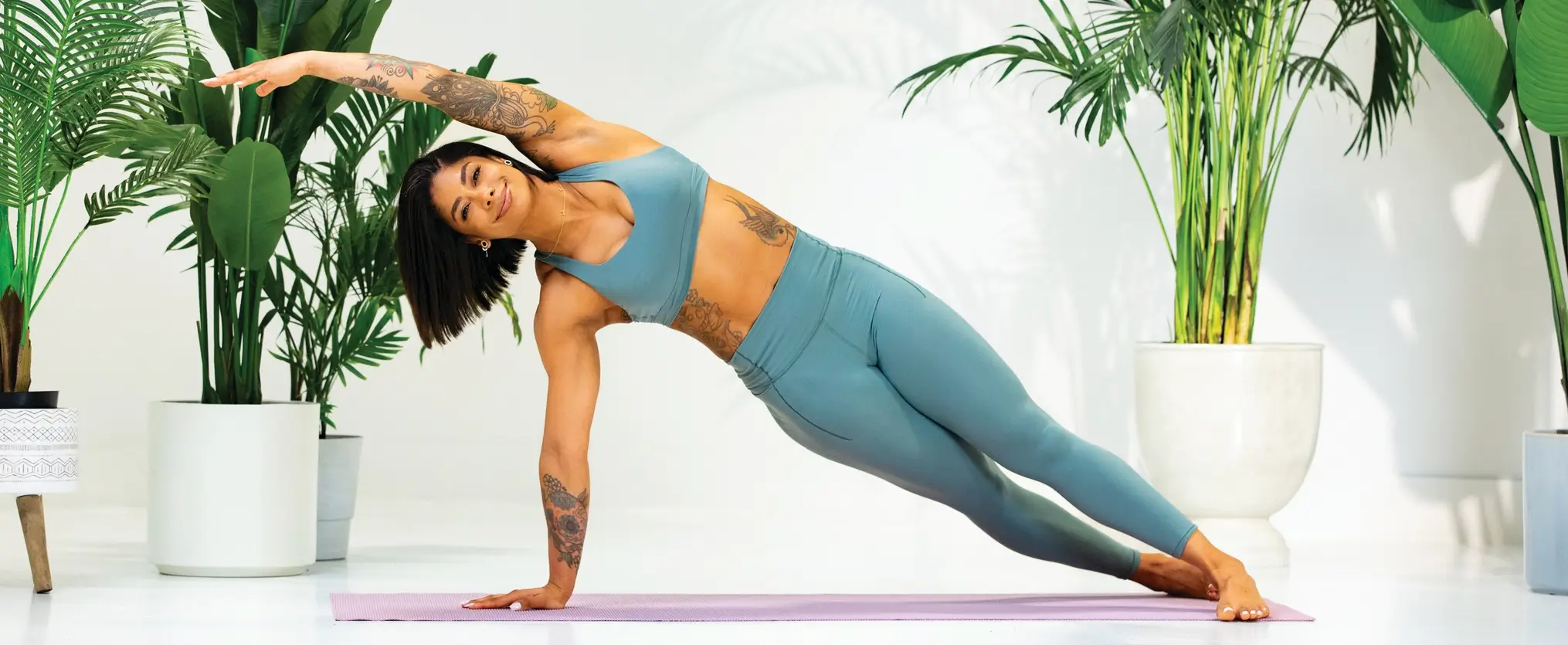
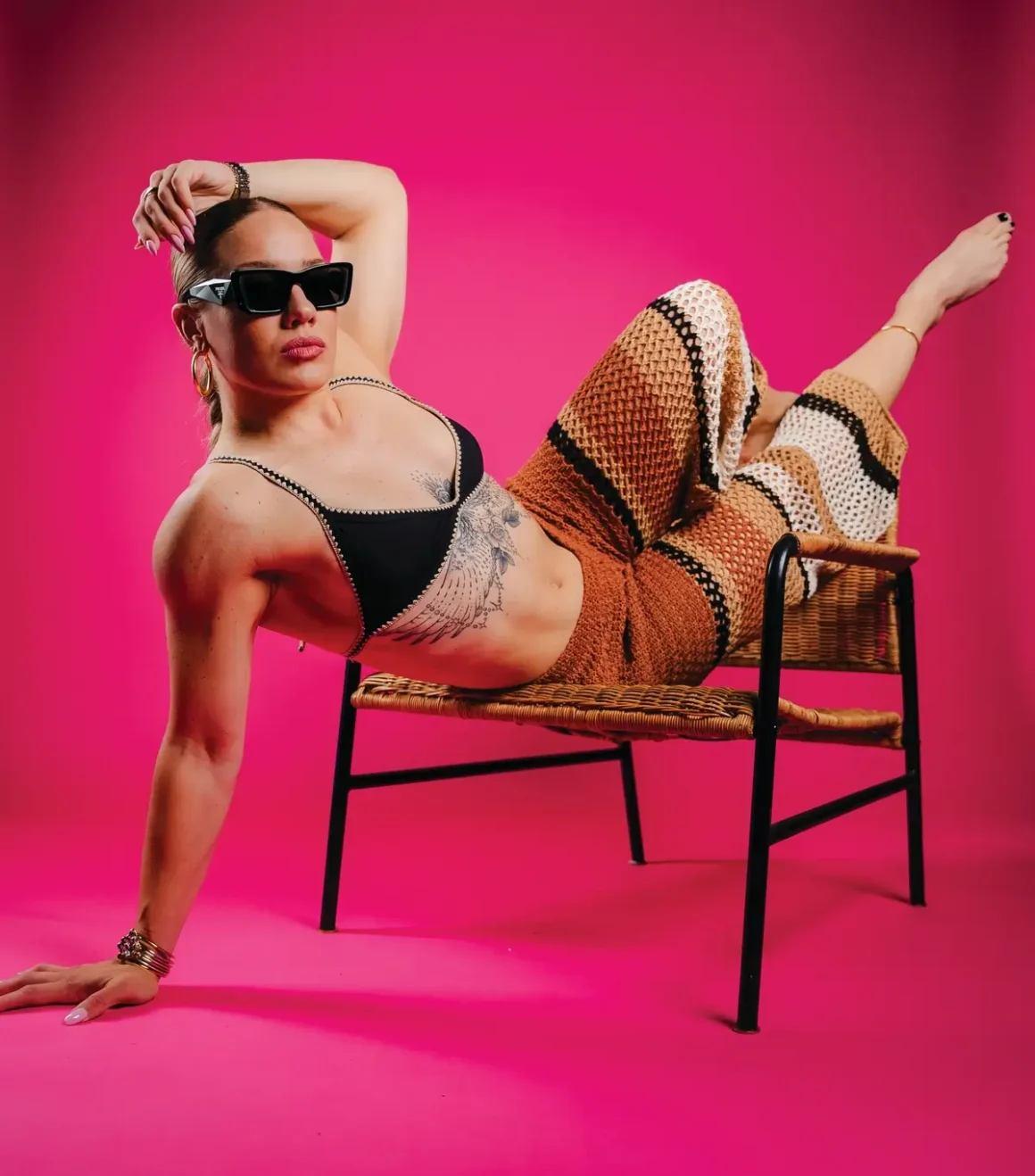
Massiel “Massy” Arias didn’t begin exercising to alter her appearance, but to feel alive again. Having recently been diagnosed with major depressive disorder, Arias felt completely disconnected from her body, purpose, and sense of identity. “I had reached a point where I no longer recognized myself, and I knew something had to change,” the Los Angeles-based certified personal trainer recalled. Movement became a critical tool, providing structure, respite, and emotional release and helping Arias overcome what she describes as one of the darkest periods of her life.
Today, Arias is one of several inked leaders, coaches, and advocates dedicated to reframing ideas around fitness, self-care, and what it means to be well. Beyond spreading the gospel of exercise’s therapeutic potential, an idea robustly backed by science, this cohort affirms the interconnectedness of the mind and body, as well as the importance of prioritizing emotional well-being in an often-overwhelming world.

Nearly 21% of American adults experience major depressive disorder at some point in their lives, according to the Anxiety & Depression Association of America, while almost a quarter report a high degree of daily stress, per the American Psychological Association. While therapy and medication remain first-line treatments for many mental health conditions, research increasingly supports a holistic approach, underscoring the inextricable nature of psychological and physical well-being. Alongside physical exercise, studies suggest lifestyle interventions, such as a nutrient-rich diet, meditation, and breathwork, may help alleviate symptoms and prevent future episodes.
Arias incorporates many such elements into her personal regimen and professional ventures, including MA Warriors and Tru Supplements. Beyond training the body, Arias said, exercise trains the brain, stimulating the release of neurochemicals and hormones, such as serotonin, endorphins, and dopamine, that support emotional regulation and wellbeing. “Movement is medicine,” she said. “It helps you reconnect with yourself, release tension, and remember that you are strong, capable, and resilient.”
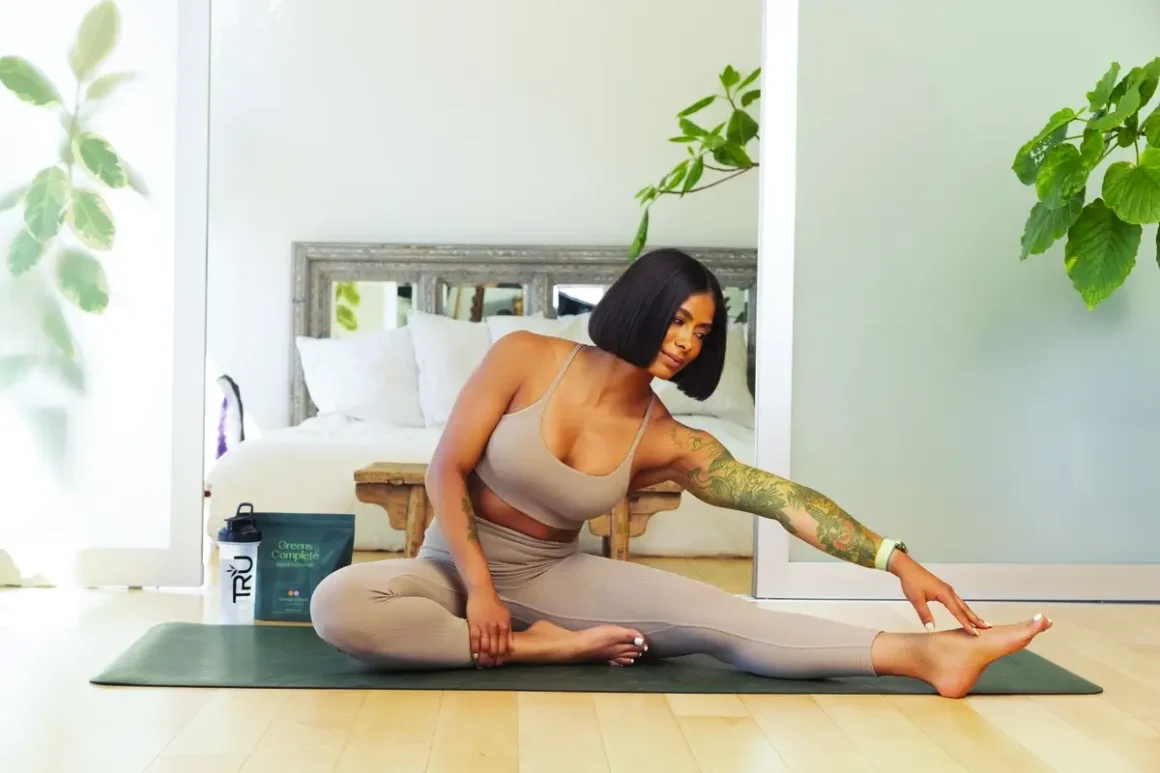
One of Arias’ many tattoos — a koi fish, signifying her brother’s battle with cancer — is a reminder of such qualities. In Japanese culture, she explained, koi symbolize perseverance, courage, and strength through adversity. “My koi is a daily reminder that even in the hardest moments, we can choose to keep swimming and transform struggle into strength,” she said.
Nutrition is also fundamental to physical, mental, and emotional fortitude, Arias noted, emphasizing that nothing replaces a balanced, nutrient-dense diet. When used appropriately, certain supplements, such as magnesium, creatine, omega-3 fatty acids, a balanced multivitamin, adaptogens, co-enzyme Q10, and BCAAs, may also help support performance, clarity, emotional health, and overall well-being, she added.
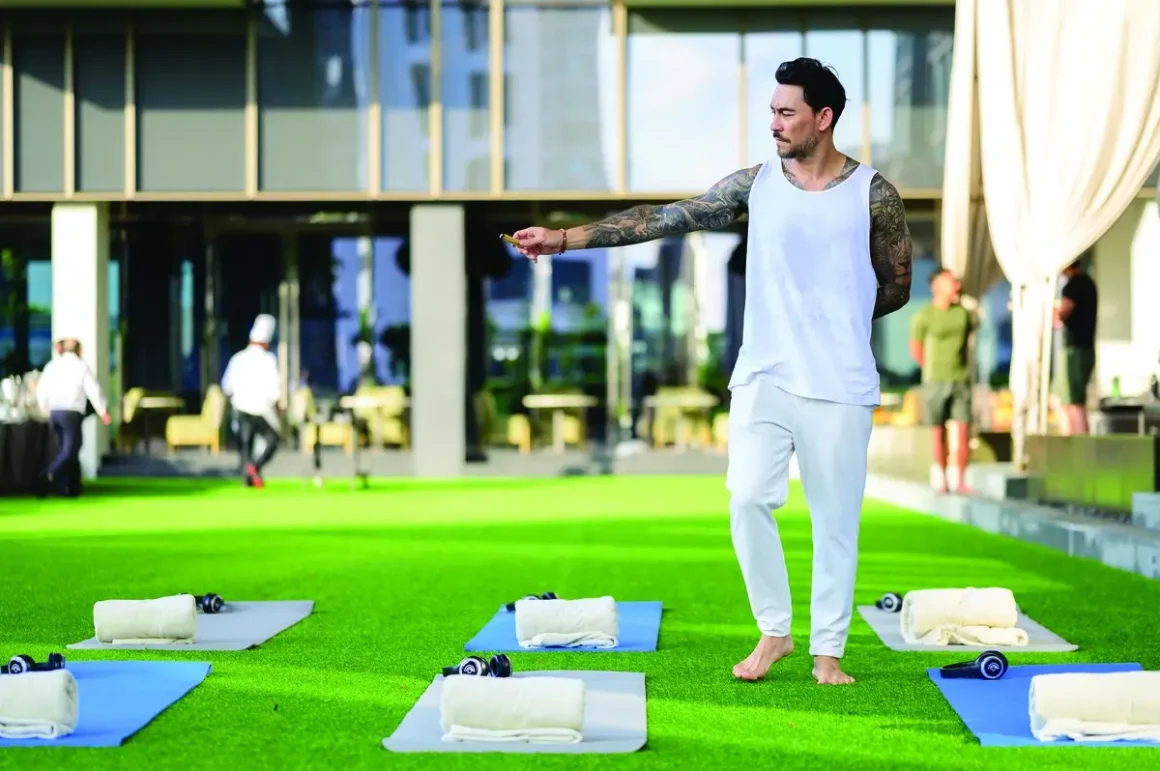
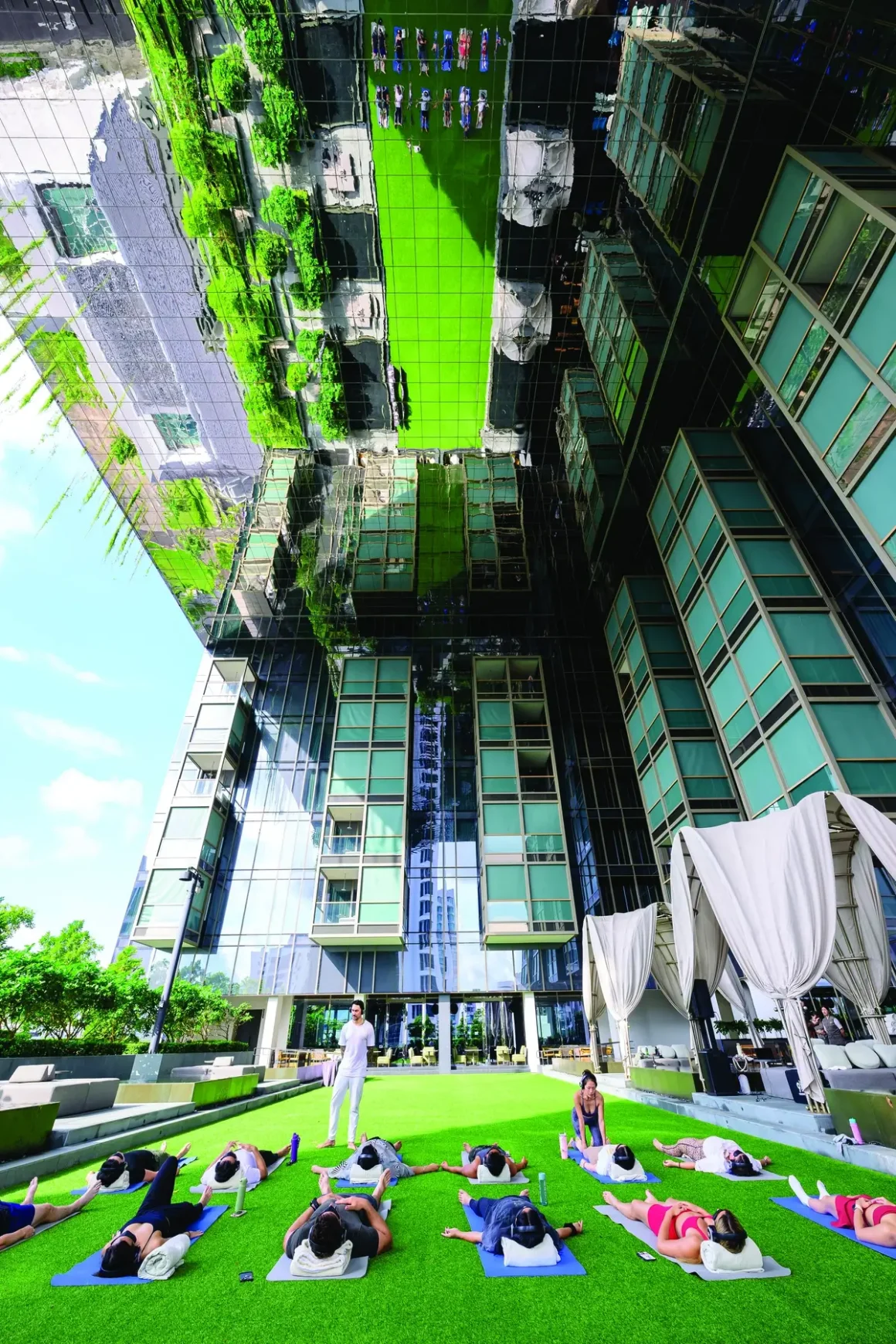
Paul Foster, co-founder of Foster the Love with his wife Leila, helps followers address mental blocks and dysregulation through a different method: 9D Breathwork. Offered at Pan Pacific Orchard in Singapore and through retreats, workshops, and private sessions across the globe, the technique, also called “brainwave entertainment,” is a multisensory, immersive experience that blends somatic breathwork with brainwave stimulation and hypnosis. “The easiest way to describe it is a full reset for your mind and nervous system, like clearing out mental clutter you didn’t even know you were carrying,” Foster explained, noting that it can help people “release, heal, and regulate.”
Several of Foster’s tattoos signify his journey to wellness leadership, one informed by profound personal loss and a professional background in sports and entertainment. Others represent his identity and values or pay tribute to his family. “Every tattoo is a reminder that growth is lifelong,” he said. “They’re markers of the seasons I’ve survived, lessons I’ve learned, and the man I continue to become.”
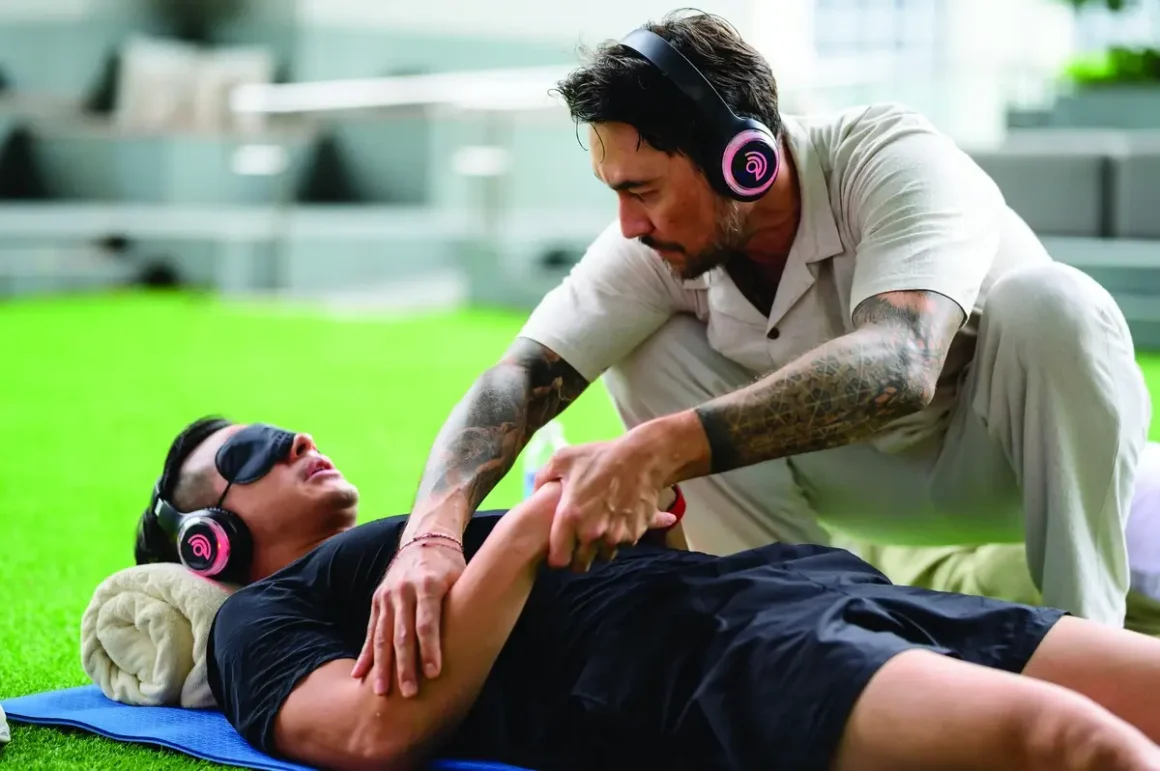
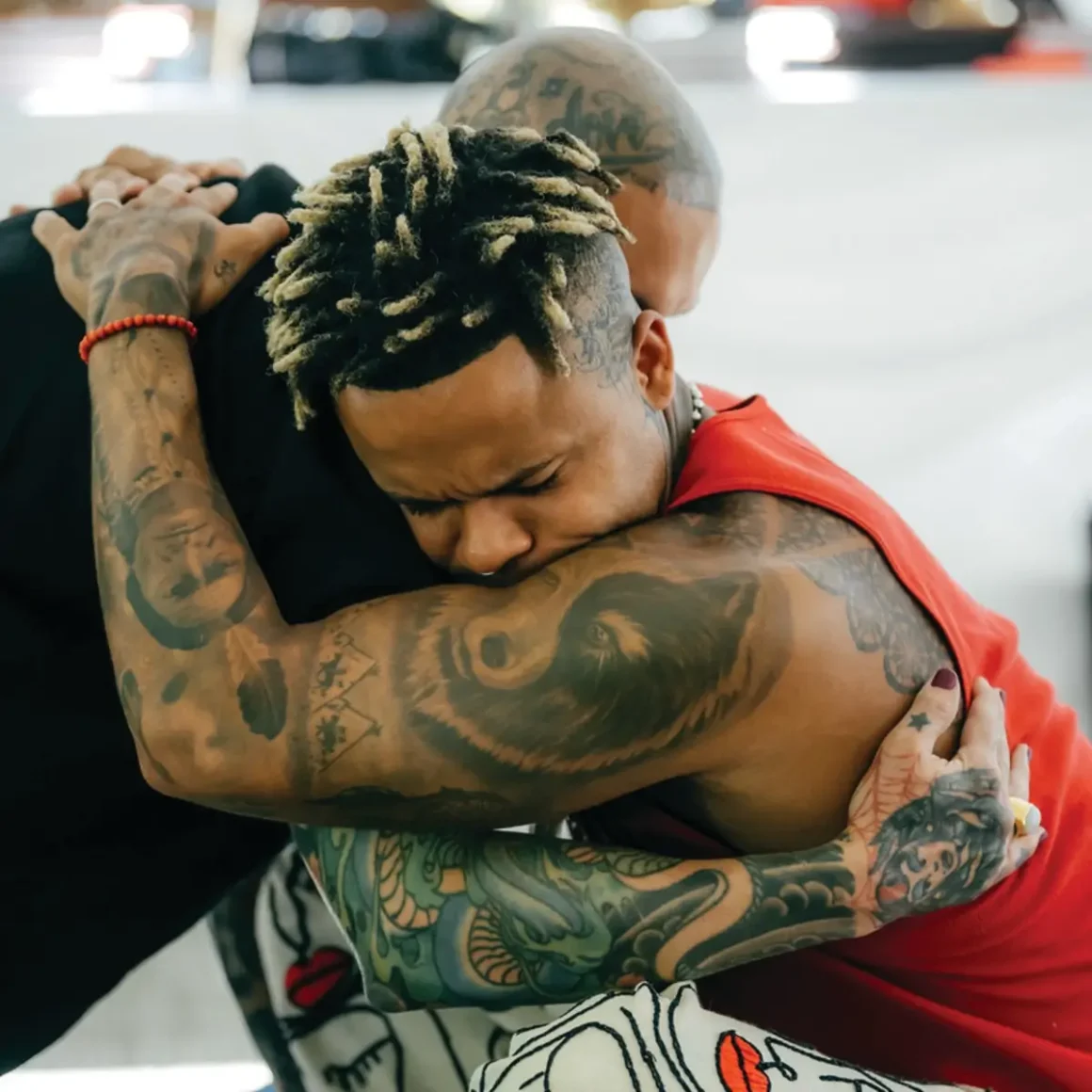
Using breathwork, he and Leila have guided many clients through transformative journeys of their own. But, Foster said, the group that surprises him most — every time — is men. “Men who have never cried, never released, never allowed themselves to feel anything deeply suddenly have massive emotional breakthroughs,” he said. “They carry so much without ever giving themselves permission to let go. Watching them finally release decades of tension, pressure, or grief, often for the first time in their lives, is one of the most powerful parts of this work.”
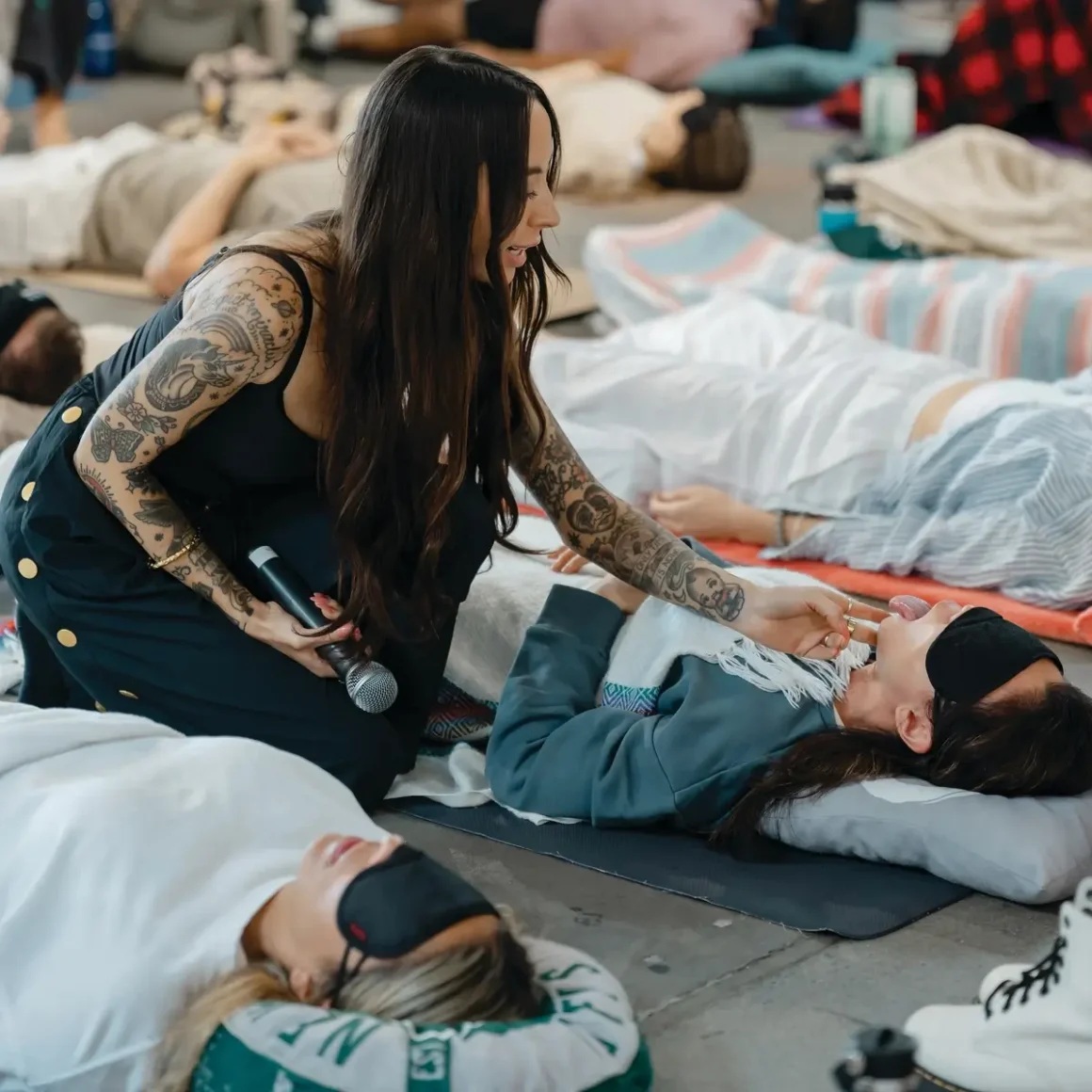
Lukis Mac and his partner, Hella Omega, are the co-founders of Owaken Breathwork, a modality similar to 9D that uses a trauma-informed somatic approach to shift practitioners from a state of survival to one of healing, clarity, and creative abundance.
Like Arias and Foster, Mac, who is based in Los Angeles, shares his story of strength through adversity to support those weathering inner tempests. “When I was 7 years old, my father took his life. I knew what it felt like to be stuck in survival mode, to be overwhelmed by grief, anger, and a deep sense of powerlessness,” he said. “Breathwork, somatic practices, and deep inner work changed everything for me.”
Available through a website, app, and international in-person workshops, Owaken has attracted a diverse clientele, including celebrities like Kourtney Kardashian, Travis Barker, Machine Gun Kelly, and Ivanka Trump. Still, Mac stresses that breathwork is for everyone. “Whether you’re a global icon, CEO, entrepreneur, artist, or someone quietly doing inner work at home, your breath is the bridge back to your power,” he said.
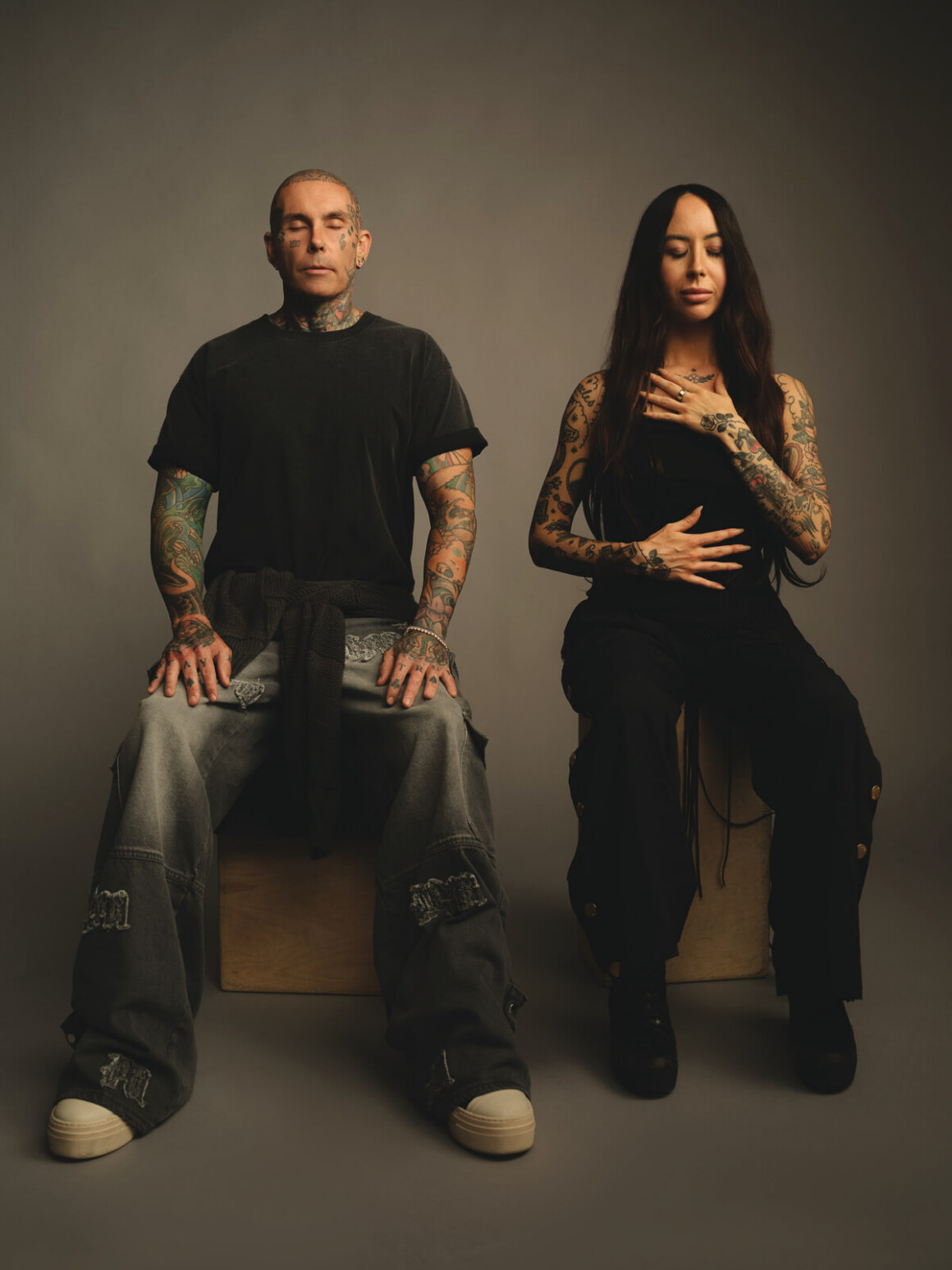
Many of Mac’s tattoos are emblematic of his own journey and philosophies, including the phrase “Take the Darkness Lightly” inked on his head. “It speaks to meeting the shadows within ourselves with love and compassion instead of fear,” he explained. “Every tattoo represents a moment… where I turned pain into power and remembered who I really am.”
While Kaisa Keranen, CPT, takes a different approach to tattoos — preferring not to imbue meaning — she shares Mac’s mission to help others heal, persevere, and flourish. “I absolutely love movement; it truly saved my life,” said the Los Angeles-based coach, who credits movement with helping her overcome depression and anxiety. “I feel like my gift is to help others find it and have a positive relationship with it.”
Through her subscription platform, Just Move, Keranen offers inclusive, accessible exercise classes that position movement as a means of self-care and appreciation, not punishment. “Movement has an incredible ability to help (and force) you to connect with yourself,” Keranen said. “There’s a confidence that comes with knowing that you are showing up for yourself regularly and taking care of yourself.”
Describing herself as a mental health advocate who uses movement as her tool, Keranen eschews the idea of fitness for aesthetics’ sake. She does, however, feel the draw of body art, with her favorite tattoo being a “seventeen” inked by her younger sister. “I wanted her first tattoo on a human to be on me. So that one means a lot,” Keranen said. “She’s critical about it because it was her first tattoo and not perfect, but that’s why I love it so much.”
In the new year, Foster recommends embracing imperfection in the context of wellness, prioritizing consistent, meaningful acts of care over buzzy concepts like biohacking and optimization. “Wellness isn’t about perfection,” he said. “It’s about connection: to yourself, to others, and to the kind of life you want to build.”
Leave a Reply