
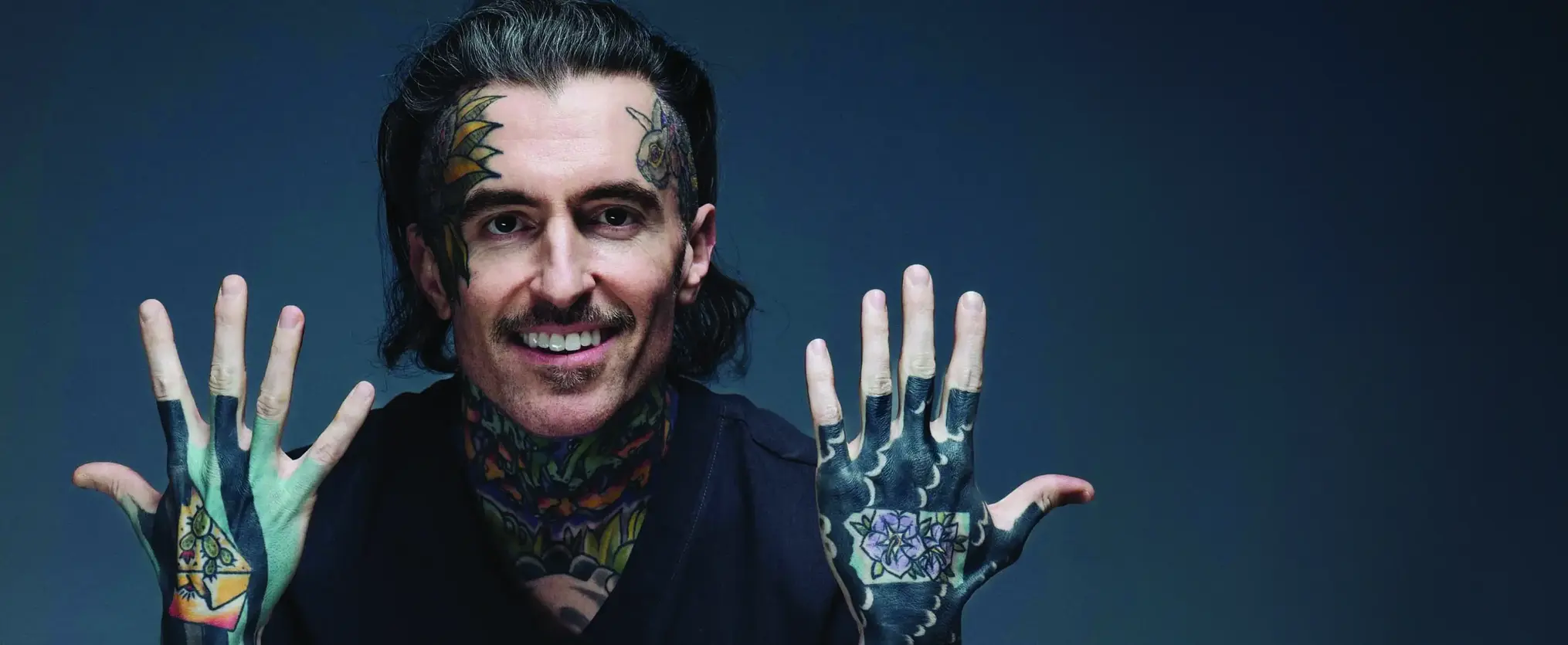
Tattoos can attract people from all walks of life, including scientists and doctors. However, as Scarlet Johnson, Maegan Doi, and Loren Yamamoto showed in their article “Adverse Effects of Tattoos and Piercing on Parent/Patient Confidence in Health Care Providers” and as also argued by Michael Rees in “Tattooing in Contemporary Society: Identity and Authenticity,” scientists and doctors, among others, can still face backlash for indulging too much in tattoos. Some tattooed doctors and a tattoo-loving research scientist shared their insights.
Breaking the Mold
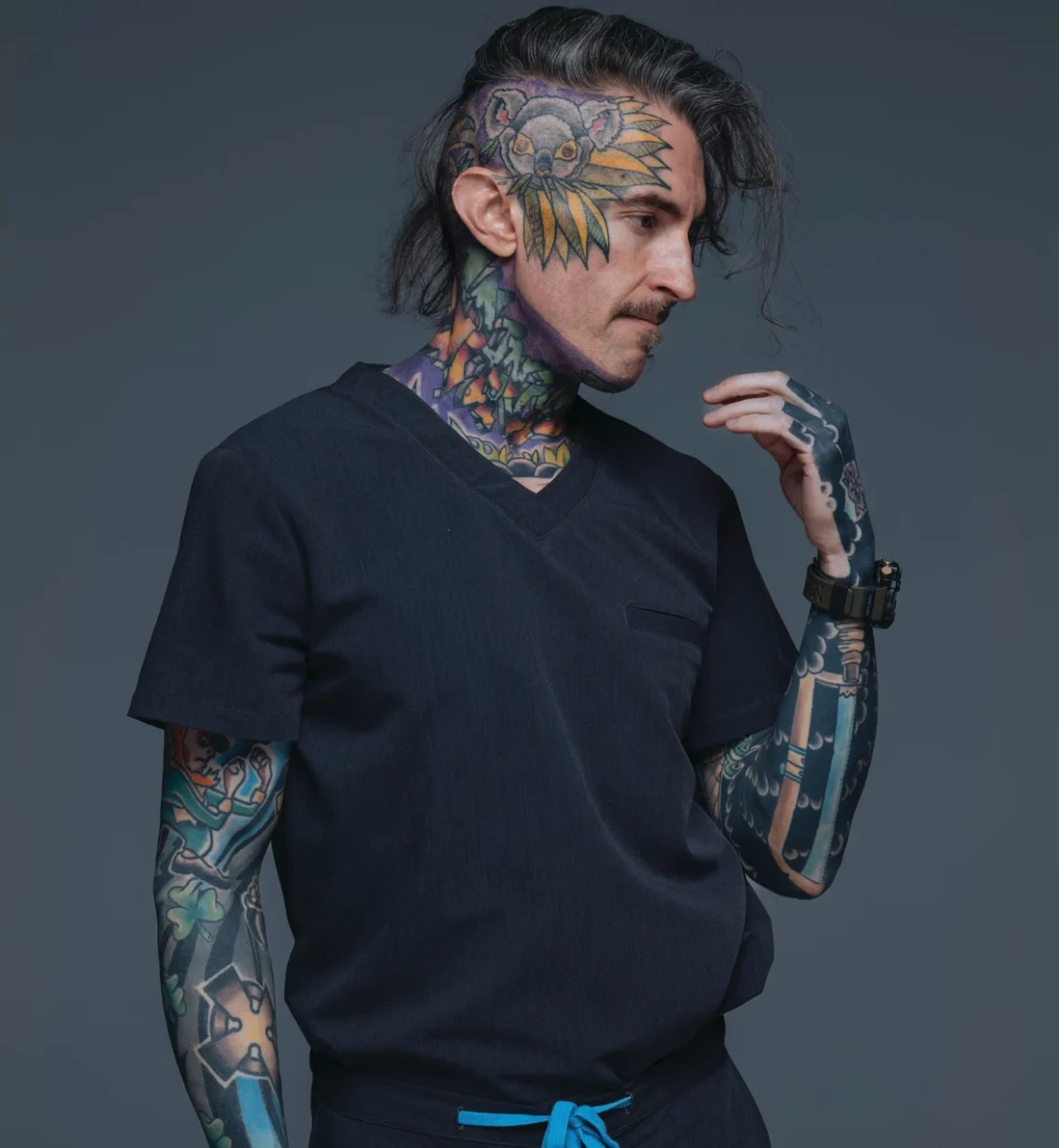
Though it may not be apparent to everyone, there is still a lingering stigma toward people with visible and extensive tattoos, especially in more professional spheres, which doctors and scientists often consider at different points in their respective careers, as they may consider taking their tattoo love further.
The fact that some patients, as well as colleagues or superiors, might be offended by tattoos builds on two things. First, we have socially constructed ideals and expectations of what a doctor or scientist should look like, a certain ideal regarding professionalism, so to speak. Matt Davis, MD, a Harvard-educated psychiatrist and renowned tattoo collector, once had an encounter when he called in to the “Howard Stern Show.” “They were talking about doctors and tattoos, and I told them about my work as a psychiatrist and how heavily tattooed I am, and how my patients don’t see it as a problem,” he shared. “But Howard still insisted, ‘I don’t want my doctor all tatted up,’ and explained how he feels it sends the wrong message.”
Second, Leah Elson, a research scientist and well-known science communicator, recollected how she used to think of scientists while growing up. Reflecting on her career today and her love of tattoos, she said, “If you had asked me when I was a kid to draw what a scientist looks like, I would have probably drawn an old white man in a lab coat with no tattoos because that is what I was brought up to think.”
Indeed, many of us are brought up with these socially constructed expectations, which Sociologist Erving Goffman argued in his book “The Presentation of Self in Everyday Life,” leads us to conduct a lot of what he calls “impression management,” which is essentially effort put into masking what many of us might see as our authentic selves to fit into a social context and navigate it in a way that lives up to these expectations.
But as briefly recognized by both Goffman himself and especially by Professor of Sociology Beverly Yuen Thompson in her book “Covered in Ink: Tattoos, Women, and Politics of the Body,” this impression management can lead to a person feeling alienated from their sense of self, resulting in a loss of job satisfaction and productivity.

Competency and Authenticity
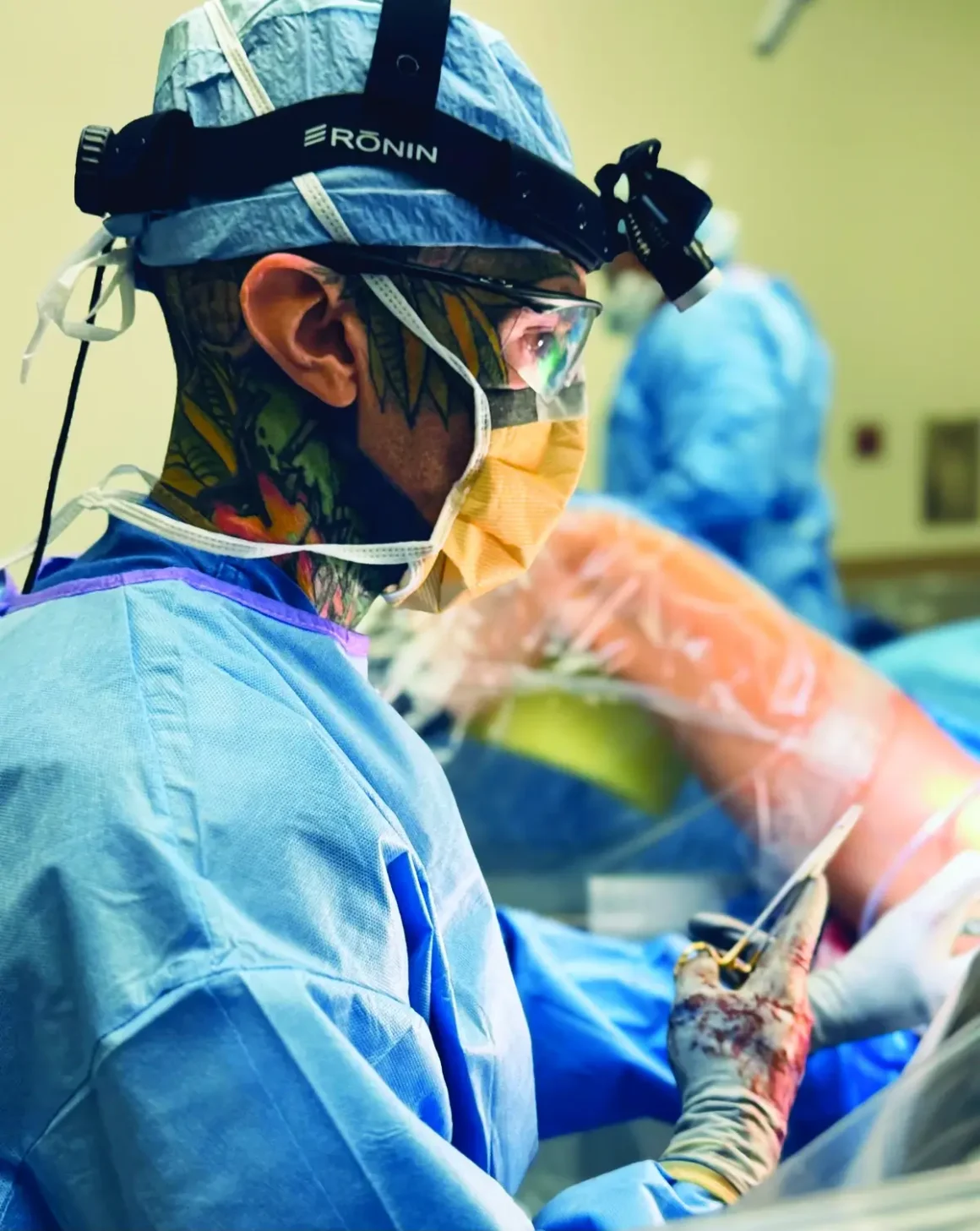
These tattoo-loving doctors and scientists recognize that as soon as they stopped caring about impression management and societal expectations, focusing instead on being authentic through their tattoos, they started to feel much more comfortable and competent in their respective work capacities and job duties. Dr. Sarah Gray, a registrar and soon-to-be orthopedic surgeon in Australia, said, “It is all about you being yourself in a system that may try to say you should fit into a specific mold… I feel my best and I do my best when I feel happy within myself, and I don’t think there should be any unnecessary roadblocks in place at all for anybody to have to change who they are as a person,” adding, “We live in a world that is diverse. We should represent a diverse world within medicine and surgery.”
Authenticity becomes an asset for doctors and scientists in their social interactions with patients. “Especially with gender affirming care,” said John Brosious, MD, a heavily tattooed plastic surgeon from Las Vegas. “These people, these patients, every one of them has faced discrimination… so, when they see me, and they see me not giving a fuck about what people think about how I look, they have an immediate sense of comfort that they will not walk into my office and be judged.”
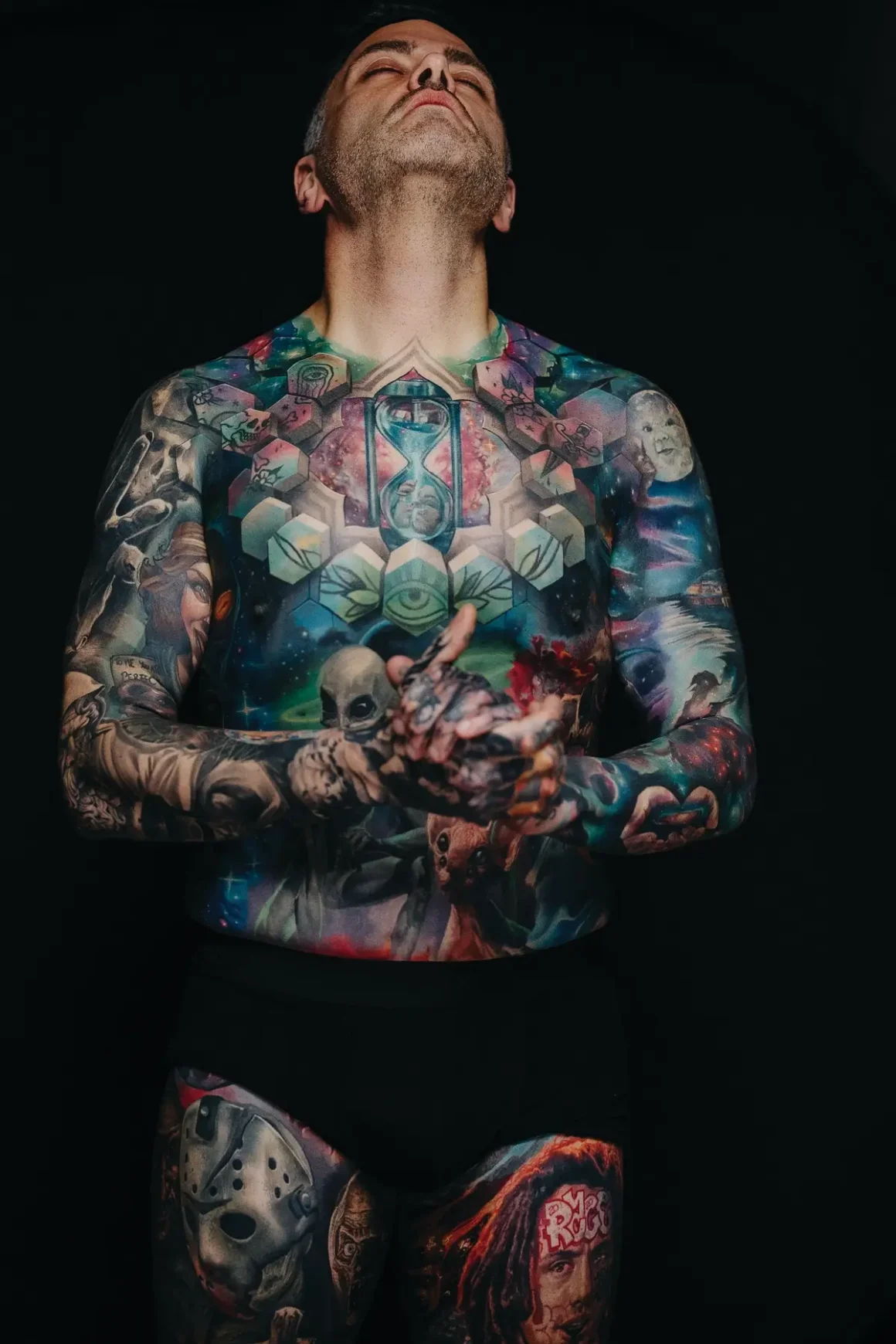
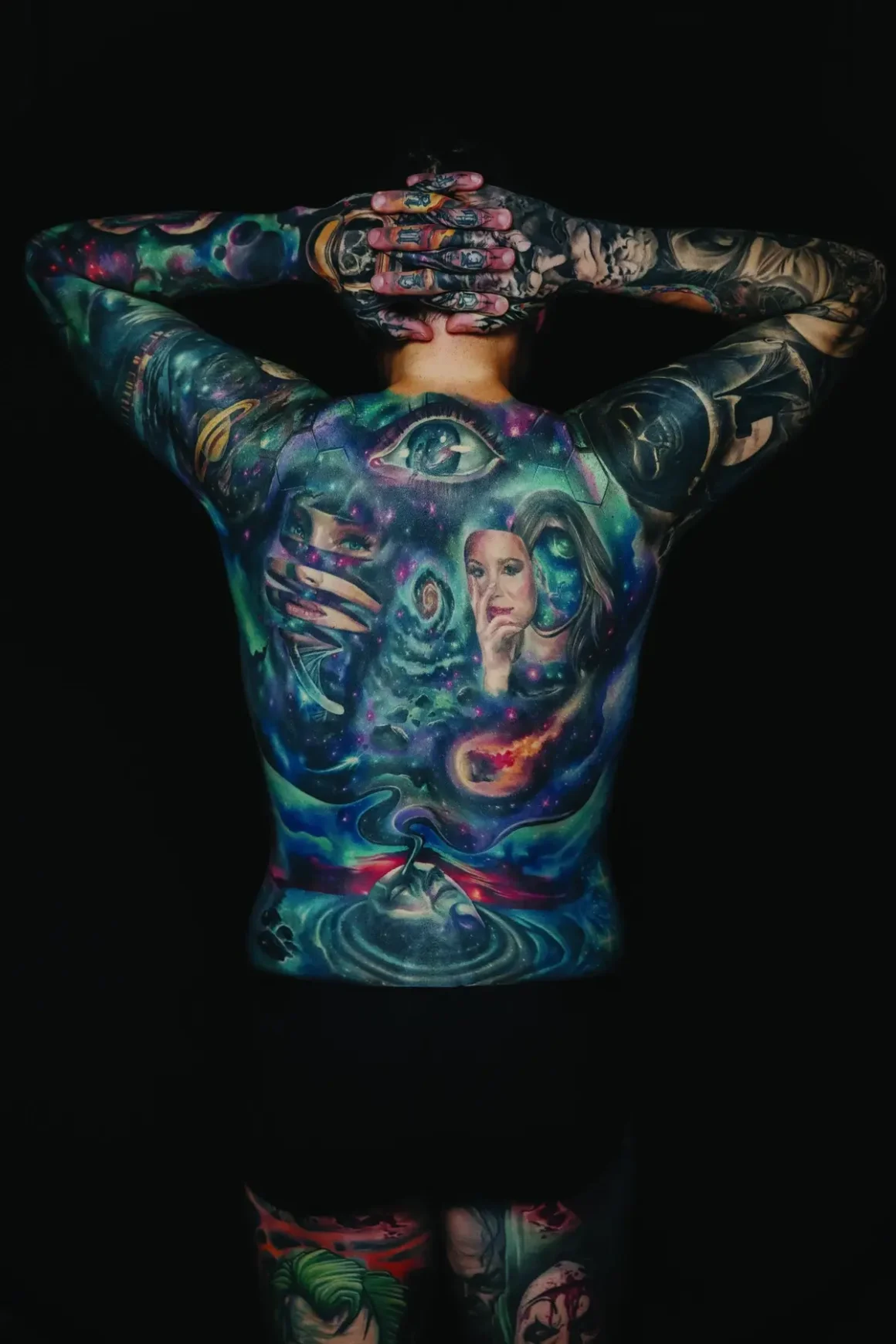
In fact, Brosious, Davis, and Gray all attested that their tattoos help them relate to and interact with their patients. By breaking down the barriers previously created by socially constructed norms and stereotypes of what a doctor or scientist should be, the doctors become more relatable to their patients, removing them from what one might call the ivory tower.
Elson explained that removing impression management demands has affected her competence and job performance abilities. “Just being openly a tattooed person made me a way better scientist, I am sure of it. Because being sure of myself and the confidence and comfort that it brought made me able to do much better.”
This is supported by research into authenticity at work conducted by Julie Mérnard in the journal article “Authenticity and well-being in the workplace: a mediation model,” where she links job satisfaction with the ability to feel and be your authentic self at work. She argues that being comfortable at work creates greater job satisfaction, better social interactions, and improved productivity. In short, when people are permitted to be their authentic selves, they do better at work in various ways.


Leading by Example
For Brosious, Davis, Elson, and Gray, it is not just about their passion for tattoos and their respective fields — it is also about leading by example, and combating lingering stigma, focusing more on skill rather than issuing judgment based on the individual’s self-expression.
“The world just needs more stories like ours. Not because it is rare, but because we have just been kept quiet for so long, we have been told we should or shouldn’t look a certain way,” Gray explained. “Unfortunately, it is up to those few people who aren’t afraid to, you know, fuck the system. To just be themselves and make that ripple effect of change.”
Representation matters in this regard because tattoos do not make you any less competent. Whether you are a doctor or a scientist, your love of tattoos will not detract from your ability to do your job well. Allowing doctors and scientists to display their tattoos at work enables them to focus fully on their profession and express their identity without the burden of concealing who they are.
Leave a Reply